Columbia County Town Centers for Walkable Living
July 23, 2026
July 23, 2026
Craving a place where you can grab coffee, browse shops, catch a show, and still fit in a walk by the water or on a trail, all without a long drive between stops? That kind of day-to-day rhythm is a big reason people are drawn to Columbia County’s town centers. If you are exploring the area for a move, a second home, or an investment, this guide will help you understand which walkable centers stand out and what makes each one distinct. Let’s dive in.
In Columbia County, walkability often comes from a simple formula: compact main streets, older building stock, and easy access to culture or outdoor space. Across the county, many centers let you combine errands, dining, arts, and short recreational outings in one loop.
That pattern also connects well with the broader route network. The Empire State Trail frames the county as a place where walkers and bicyclists can experience village main streets, urban centers, rural communities, and local history in one region.
For buyers, that can translate to a lifestyle with more convenience and character. For investors or mixed-use buyers, it can also signal places where downtown activity, historic fabric, and foot traffic shape long-term appeal.
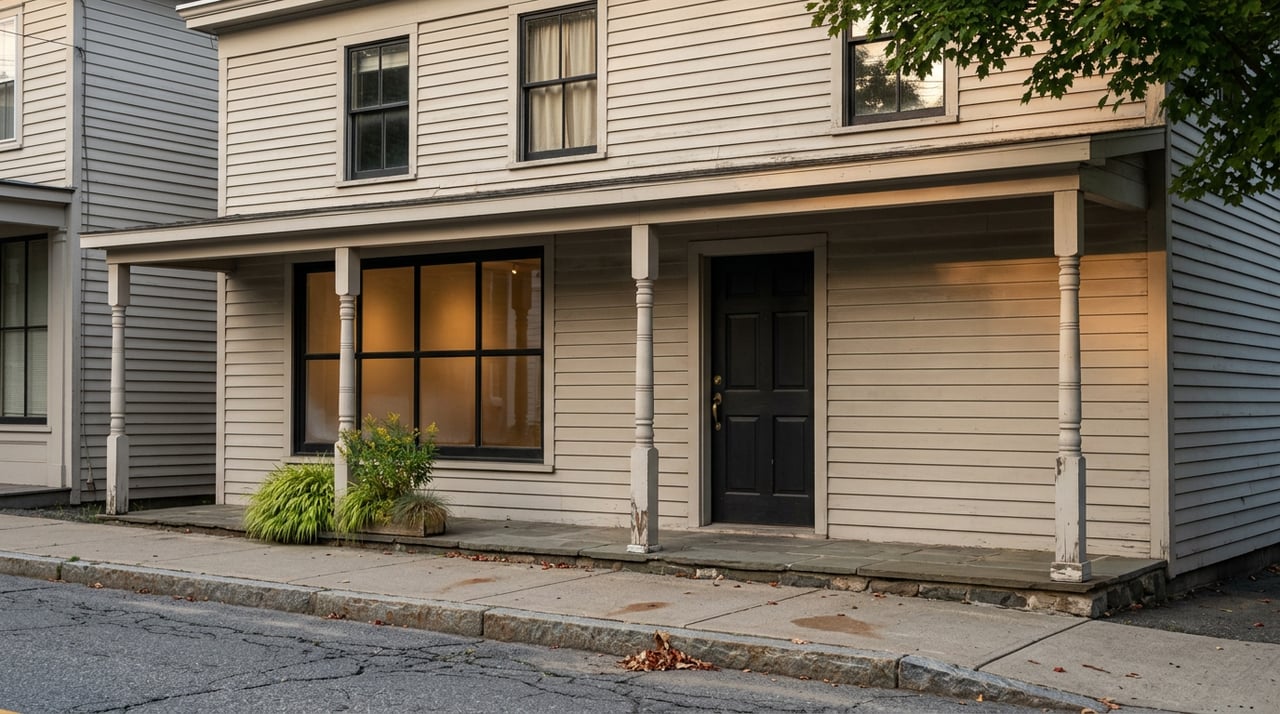
Chatham offers one of the clearest examples of a walkable village core in Columbia County. Its center grew from an early road and rail settlement, and that history still shows in the built environment along Main Street, Park Row, and Hudson Avenue.
The village identifies landmarks like the restored 1811 House, Union Depot, and Tracy Memorial Village Hall as anchors of the streetscape. Together, those elements give downtown Chatham a strong sense of continuity and make the core feel visually connected on foot.
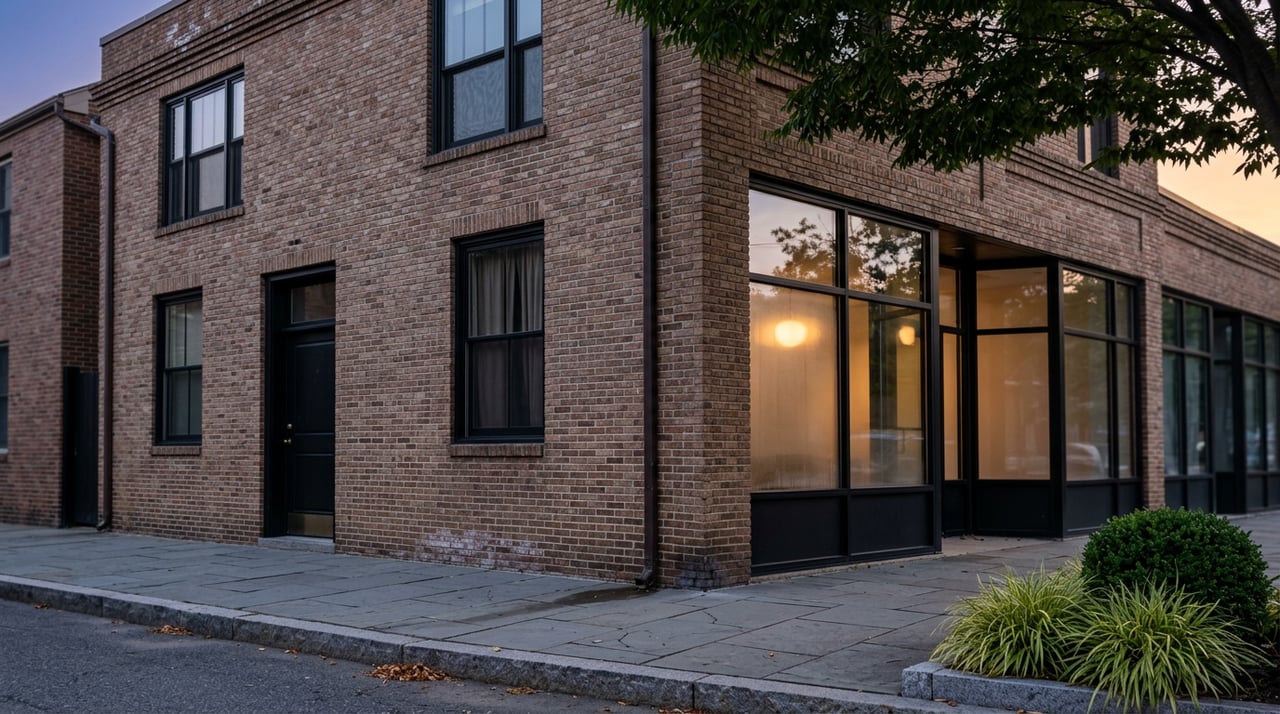
Around the center, you will find a mix of older village houses, railroad-era brick blocks, and small-scale mixed-use buildings. Local zoning reinforces that character by supporting a pedestrian-friendly, mixed-use pattern in the primary shopping area and by aiming to preserve the historic development pattern and architectural character.
That matters if you are comparing village living to more spread-out locations. In Chatham, the layout and building scale help create a downtown where storefronts, civic buildings, and homes feel part of the same everyday environment.
Downtown Chatham still reads as a place where a short walk can cover both practical stops and leisure time. Columbia County Tourism lists destinations on or near Main Street such as Bimi's Canteen & Bar, The People's Pub, Fork & Whisk, Stonykill Coffee & Records, Bimi's Cheese Shop, and the Crandell Theatre.
The village’s historic society also highlights walking tours and community events tied to downtown. If you want a town center that feels active without feeling oversized, Chatham offers a balanced, easy-to-understand village rhythm.
If you want the most urban-style walking experience in Columbia County, Hudson stands out. The downtown historic district covers most of downtown, with 756 contributing properties across a 45-block area, and Warren Street is described by Columbia County Tourism as the most intact 19th-century main commercial street in New York State.
That concentration shapes the experience in a big way. Hudson gives you a longer, denser run of storefronts, architecture, and cultural destinations than the county’s smaller village centers.
Warren Street is the city’s primary architectural resource, and its nine-block length includes Federal, Greek Revival, Italianate, Queen Anne, and vernacular brick and frame buildings. Around downtown, the housing and building pattern is a dense historic mix that includes early Republic-era houses, mid-19th-century revival styles, late Victorian rowhouses, and later commercial blocks.
For you as a buyer, that can mean more variety block to block. For mixed-use or commercial-minded clients, it also shows how a continuous street wall and concentrated downtown fabric can support a strong pedestrian environment.
Hudson’s daily routine is especially concentrated around food, arts, and entertainment. Warren Street destinations listed by Columbia County Tourism include Hudson Hall, Carrie Haddad Gallery, Serre, Le Perche, Red Dot Restaurant & Bar, and Saint Florian.
That mix can make a normal day feel fuller with less planning. You can picture coffee, browsing, dinner, and an evening event all happening within the same walk.
Hudson also pairs downtown density with nearby open space. Columbia County Tourism lists Henry Hudson Riverfront Park behind the Amtrak station and Oakdale Park downtown, while Olana State Historic Site and the Hudson River Skywalk add a broader landscape experience nearby.
That combination is useful if you want a walkable center that still gives you quick access to scenic outdoor space. In Hudson, urban texture and nature access sit unusually close together.
Kinderhook offers a different kind of walkable center. Instead of a longer commercial corridor, its walkable core is organized around the village square, Broad Street, Hudson Street, and nearby historic properties.
Its history runs deep. The county historian notes that Kinderhook appeared on Dutch maps as early as 1614, and the village still reflects a built environment shaped by Dutch, Federal, Greek Revival, Georgian, Carpenter Gothic, and Italianate influences.
Kinderhook combines village-scale convenience with a strong sense of place. The village square hosts the Kinderhook Farmers' Market and makers-market events, while destinations like The School: Jack Shainman Gallery, September Gallery, Samascott's Garden Market, and the Columbia County Historical Society Museum & Library support an easy mix of errands, art, and history.
If you are looking for a slower-paced village center with cultural depth, Kinderhook offers that in a very compact format. It feels walkable not because it is large, but because several meaningful destinations sit close together.
Kinderhook also connects well to outdoor routines. The Empire State Trail segments between Hudson and Kinderhook and between Kinderhook and Nassau welcome walkers and bicyclists, while Martin Van Buren National Historic Site offers 83 acres of natural surroundings, historic buildings, and trails, including the three-quarter-mile Wayside Loop Trail.
That gives you options beyond the immediate village blocks. You can move from the square and historic streets to a trail or site walk without losing the sense of a connected day.
Valatie has a walkable center with a classic mill-village feel. According to the village historian, mills on the Kinderhook Creek and Valatie Kill helped make it one of the nation’s earliest industrial centers, and by the 1840s Main Street had become the commercial center of northern Columbia County.
That history still shapes the village. The official history walk points to early 19th-century houses on Upper Main Street and Albany Avenue, along with vernacular houses, the Brick Store, the U.S. Hotel site, the trolley depot, and other landmarks that create a walkable setting.
Valatie is best understood as a mix of early 19th-century houses, vernacular village homes, and mill-era commercial structures. If you are drawn to places where the housing stock feels layered rather than uniform, Valatie offers that kind of visual variety.
It also helps explain the scale of the village. The built environment supports a main street experience that feels local, compact, and tied to its industrial roots.
Columbia County Tourism lists Main Street Diner, Filli's Deli and Bakery, Valatie Bar & Grill, Magdalena's Restaurant, Valatie Community Theatre, Beaver Mill Antiques, Reifenberg Brewing, and food-truck events on Main Street. That gives the village a practical, social rhythm where dinner, a show, a drink, and an errand can all fit into one outing.
For many buyers, that is what walkability really means. It is not just sidewalks. It is having enough nearby destinations to make walking feel useful and enjoyable.
Valatie’s nature access is tied closely to water and short local walks. The village history notes River Street Park’s trails and vistas, the Kinderhook Creek trail, Pachaquack Preserve, and views toward Beaver Falls and the Kinderhook Gorge.
That blend can be appealing if you want a center where village life and outdoor access feel equally close at hand. In Valatie, the shift from Main Street to creek-side scenery can happen quickly.
Philmont may be the clearest example in Columbia County of a compact mill village being reimagined for a more walkable future. The village’s revitalization vision describes a downtown connected to Summit Lake and its waterfront, with shops, public amenities, restaurants, event spaces, artisan co-working spaces, and conservation trails.
The same planning vision calls the downtown walkable, compact, and vibrant. That makes Philmont especially interesting if you are watching places where historic village form and future reinvestment may work together.
Philmont’s housing story connects existing village scale with future infill potential. A local housing study notes that Main Street includes many single-story, single-use buildings set back from the street with surface parking, and that these sites could support multi-family mixed-use buildings while preserving the village’s architectural heritage and low-density scale.
The historic fabric is also varied. Worker housing appears on streets radiating from the mills, with modest early 19th-century wood-frame farmhouses near Main Street, Factory Row’s gable-front Gothic Revival houses, and later brick tenements still part of the village pattern.
Philmont’s daily rhythm ties closely to natural features and community projects. Village materials point to Summit Lake, the Hudson Valley Rail Trail in Philmont, the Agawamuck Creek watershed work, and connections to the High Falls Conservation Area.
For you, that can mean a lifestyle that moves easily between downtown blocks, lake views, and conservation spaces. It is a strong example of how walkability in Columbia County is not only about commerce, but also about access to landscape and shared public space.
Each walkable center in Columbia County offers a different version of convenience and character. The best fit depends on whether you want a denser downtown, a classic village square, a mill-village main street, or a center with strong trail and waterfront connections.
Here is the simplest way to think about the options:
If you are planning a move, it helps to look beyond the idea of walkability as a buzzword. What matters more is how you want your everyday routine to feel and which town center matches that pattern best.
Whether you are searching for a village home, a mixed-use property, or a place with long-term lifestyle and investment potential, local context makes all the difference. If you want help comparing Columbia County’s walkable centers and identifying the right fit for your goals, connect with Berardi Realty.
Stay up to date on the latest real estate trends.