Living in Ulster County NY: Daily Life, Towns & Back Roads
February 5, 2026
February 5, 2026
Picture this: a Saturday morning that can go from coffee on a walkable Main Street to a ridge-top hike by lunch and live music by night. If you are weighing a move to Ulster County, you want a clear feel for daily life across its towns, hamlets, and back roads. This guide gives you the lay of the land around New Paltz and beyond, with practical tips on housing, commutes, outdoor access, and what to check before you buy. Let’s dive in.
Ulster County offers a little of everything: a college-town vibe in New Paltz, a small city experience in Kingston, riverfront villages, artsy hamlets, and quiet rural roads with mountain views. You will find historic homes in village centers and newer houses on acreage just a few miles away. Many residents drive for daily errands, but village hubs make short trips on foot easy.
New Paltz blends a walkable Main Street and year-round arts with fast access to the Shawangunk Ridge. You are minutes from trailheads at the Mohonk Preserve and Minnewaska State Park Preserve. Day to day, you can shop local, grab a seat at a cafe, or catch a campus performance. Many people commute to Kingston, Poughkeepsie, and Newburgh or work remotely.
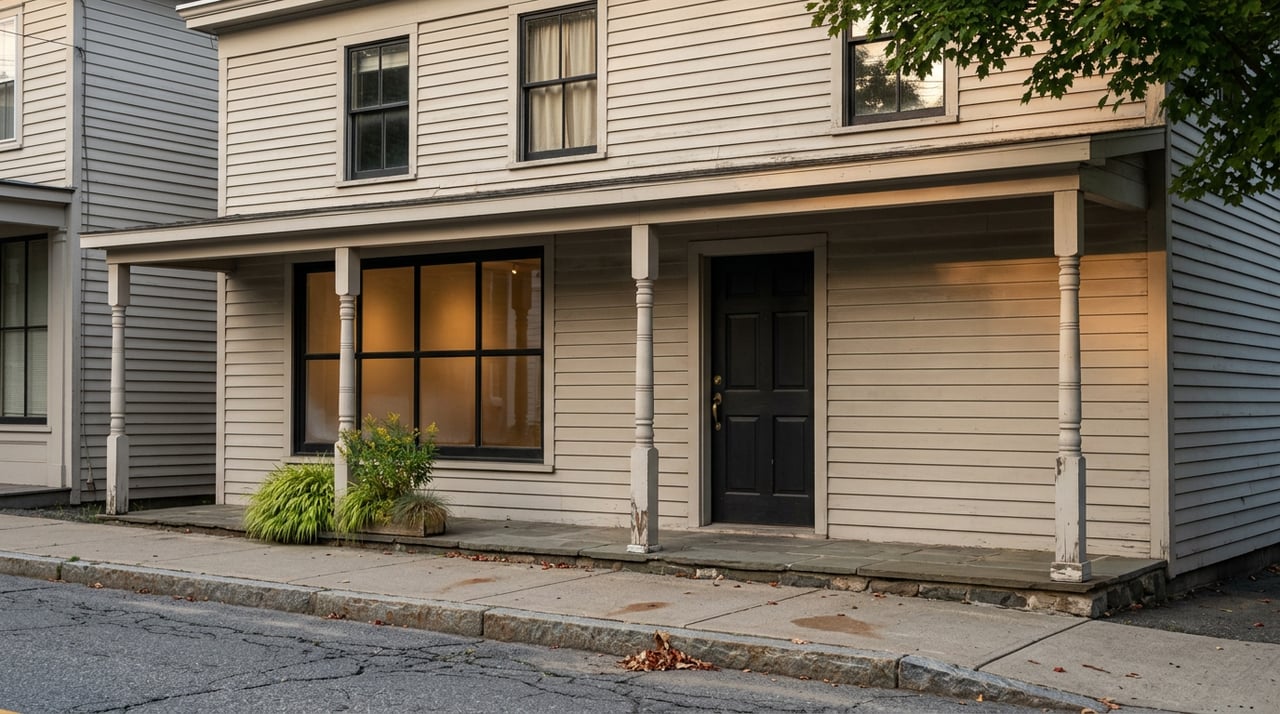
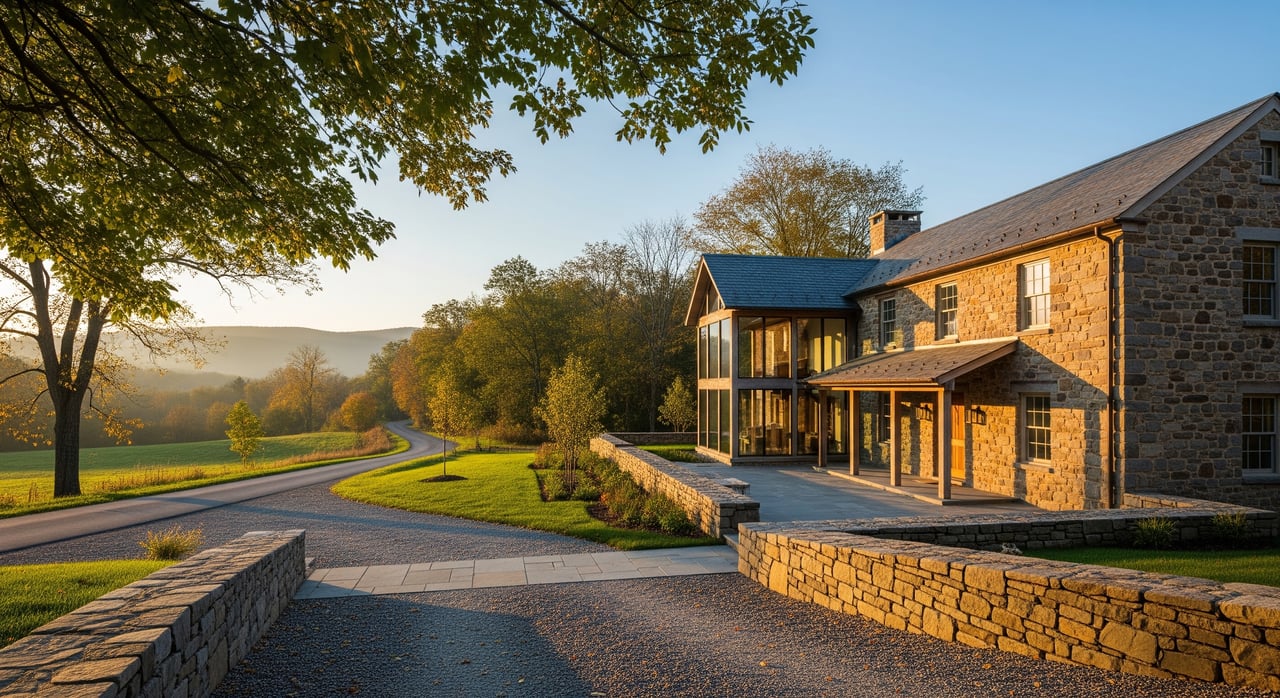
Housing runs from historic stone and frame houses to village apartments, rental options near SUNY, and single-family homes on rural roads. Renovated older homes and newer subdivisions sit side by side in and around the village.
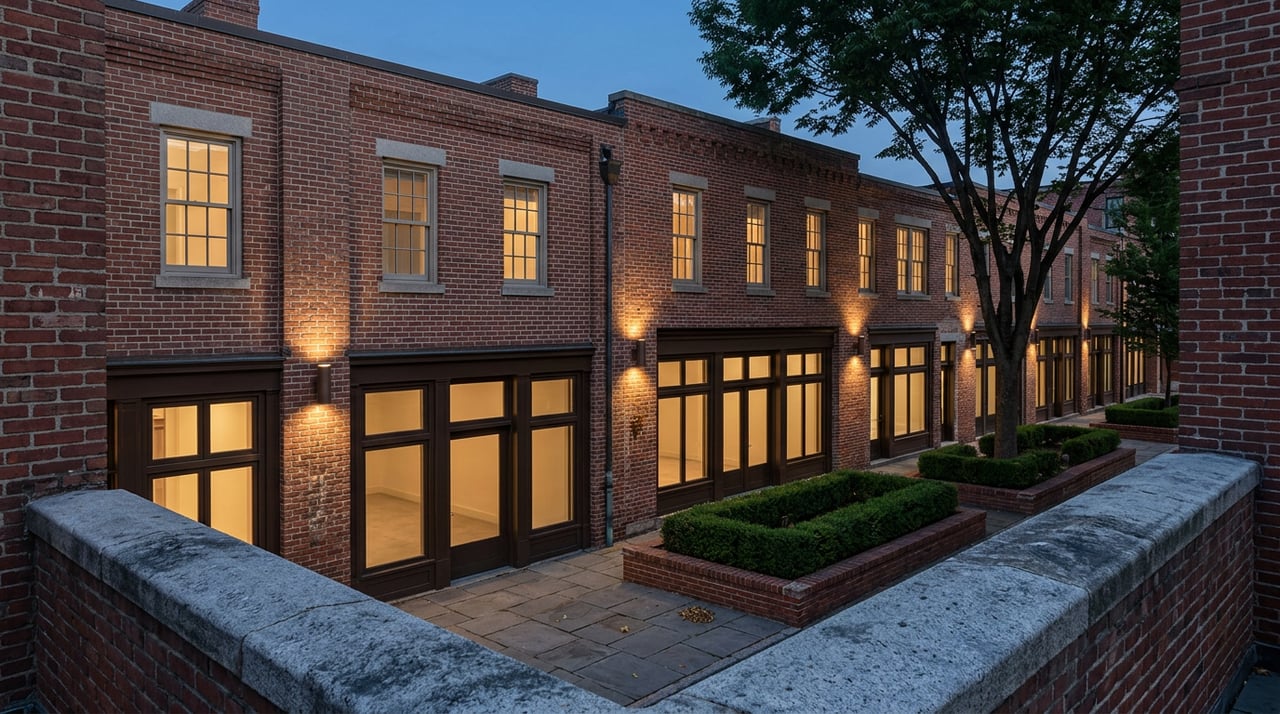
Kingston is the county seat and has an urban feel compared to surrounding towns. The Stockade District features 18th and 19th century architecture, while the Rondout waterfront offers restaurants, galleries, and festivals. You will find services such as hospitals, offices, and a county transit hub.
Housing ranges from Victorian homes and row houses to renovated lofts near the waterfront and suburban neighborhoods. Nightlife and cultural offerings are more frequent here than in the smaller villages.
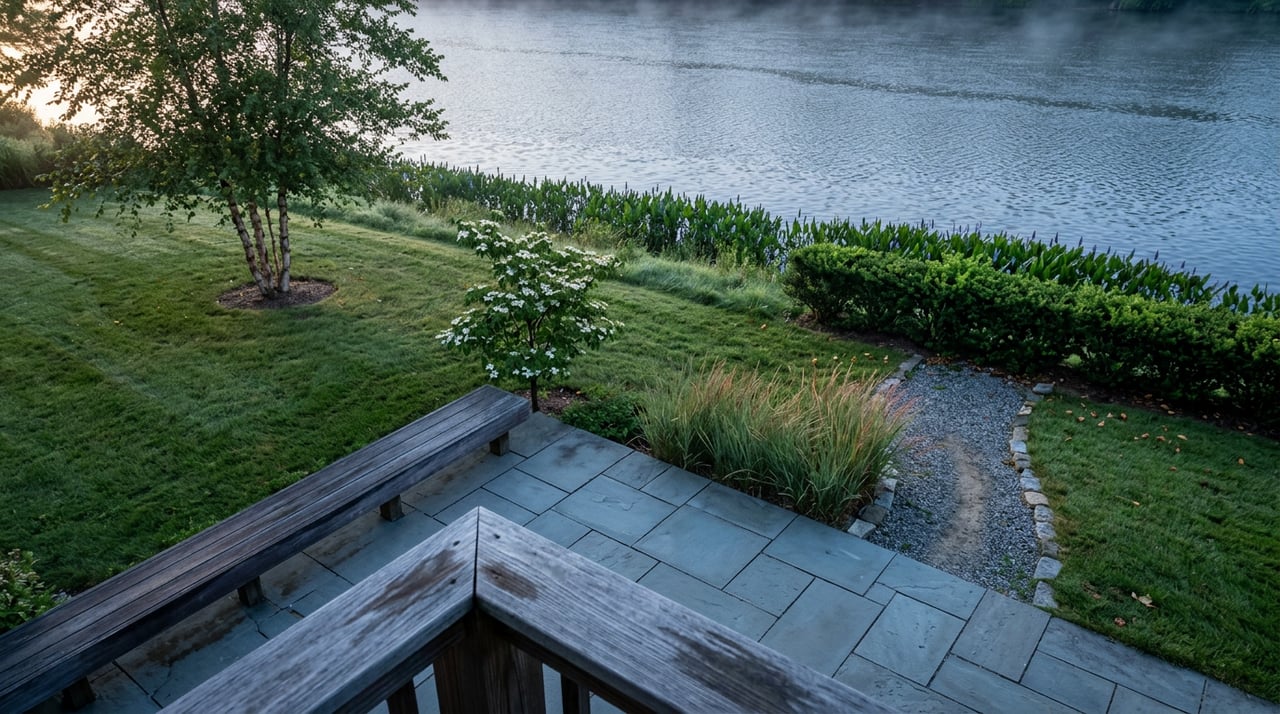
Saugerties pairs a walkable village center with rural surroundings and easy river access. There is a local arts and music scene and seasonal festivals. Expect village cottages, mid-century homes, and farmhouses on country lots.
Woodstock has long been known for arts, music, and galleries. It is distinct from the 1969 festival site but remains a cultural touchstone. Homes range from cottages and studios to timber and stone houses, often on leafy, sloped parcels.
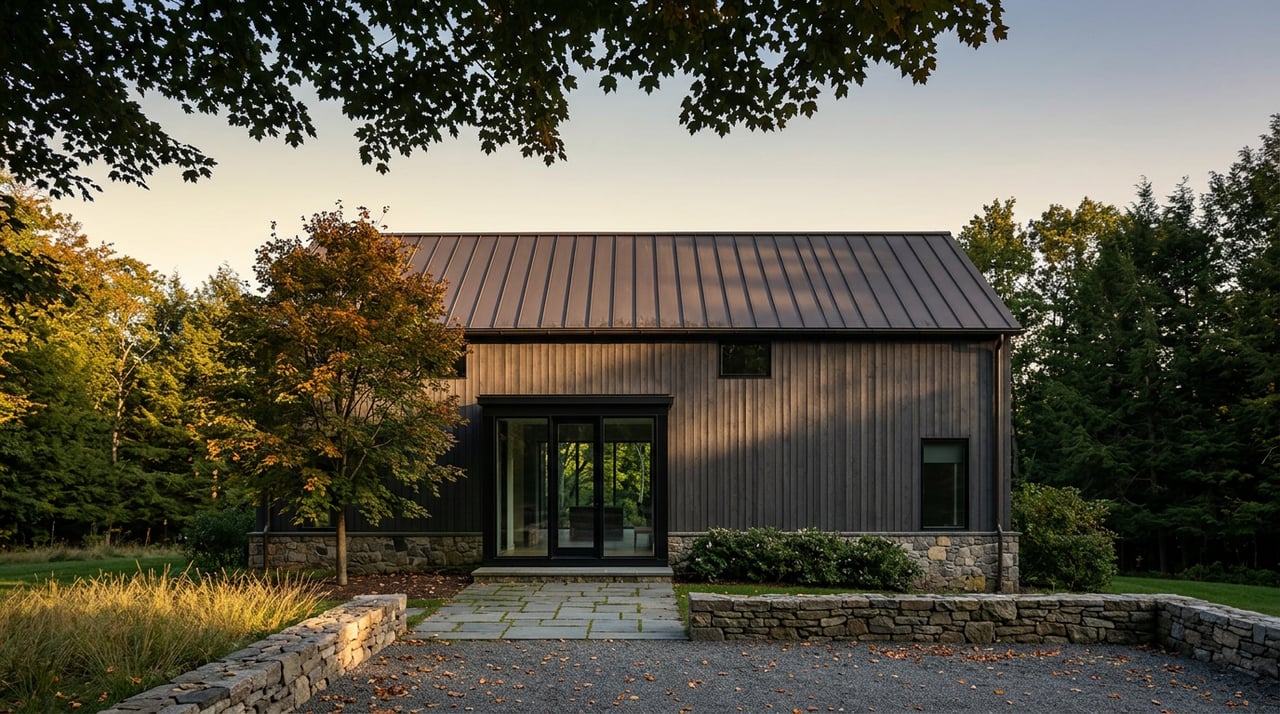
If you seek quieter, rural to semi-rural living with strong outdoor access, look here. These areas sit close to the Shawangunks and working farms. You will see farmhouses, ranches, stone homes, and modern modular builds on acreage. Rosendale has a creative, DIY arts feel and a small village center.
Across Ellenville, Marbletown, Highland, Marlboro, and other hamlets, you will see a mix of former mill towns, riverfront corridors, and quiet roads with larger lots. Prices and services vary widely by location.
You will encounter a broad mix of home types: historic architecture in older villages, farmhouses and vernacular homes in the countryside, and late-20th-century subdivisions and modular homes on larger lots. In Kingston’s waterfront areas, some former industrial buildings have become lofts.
Before you buy, plan for a few local due diligence steps:
Most residents drive for daily errands and regional commutes. The New York State Thruway - I-87 - and major state routes crisscross the county. Depending on your starting point and the river crossing, drives to New York City can range from about 1.5 to 2 or more hours.
Ulster County does not have regular in-county Metro-North service. Many commuters drive to Hudson Line stations in Poughkeepsie or Beacon for rail into NYC. Check MTA Metro-North for station details and schedules. Intercity service is also available at Amtrak stations such as Rhinecliff and Poughkeepsie.
Local bus routes connect towns to Kingston through Ulster County Area Transit. Intercity coach services run from Kingston and nearby points. Ferry links exist in the region, including Newburgh-Beacon, though direct passenger ferries in Ulster are limited.
Walking and biking are easiest in village centers like New Paltz, Kingston’s Stockade and Rondout areas, and Saugerties. Some shared-use paths and rail-trails exist, but long-distance biking depends on roads and terrain.
You can spend years exploring local recreation and still find new favorites. Start with these:
Match your lifestyle and budget to the right setting with a few quick filters:
A local, hands-on search will help you compare back road privacy with village convenience, and weigh ongoing costs like taxes, utilities, and maintenance.
If Ulster’s mix of college-town energy, historic streets, and scenic back roads speaks to you, you are not alone. A seasoned local team can help you compare neighborhoods, plan inspections, and align your lifestyle goals with a sound purchase or sale. Connect with Berardi Realty to map your next move with boutique service and clear, investor-grade guidance.
Stay up to date on the latest real estate trends.