Selling A Historic Home In Ulster County
July 2, 2026
July 2, 2026
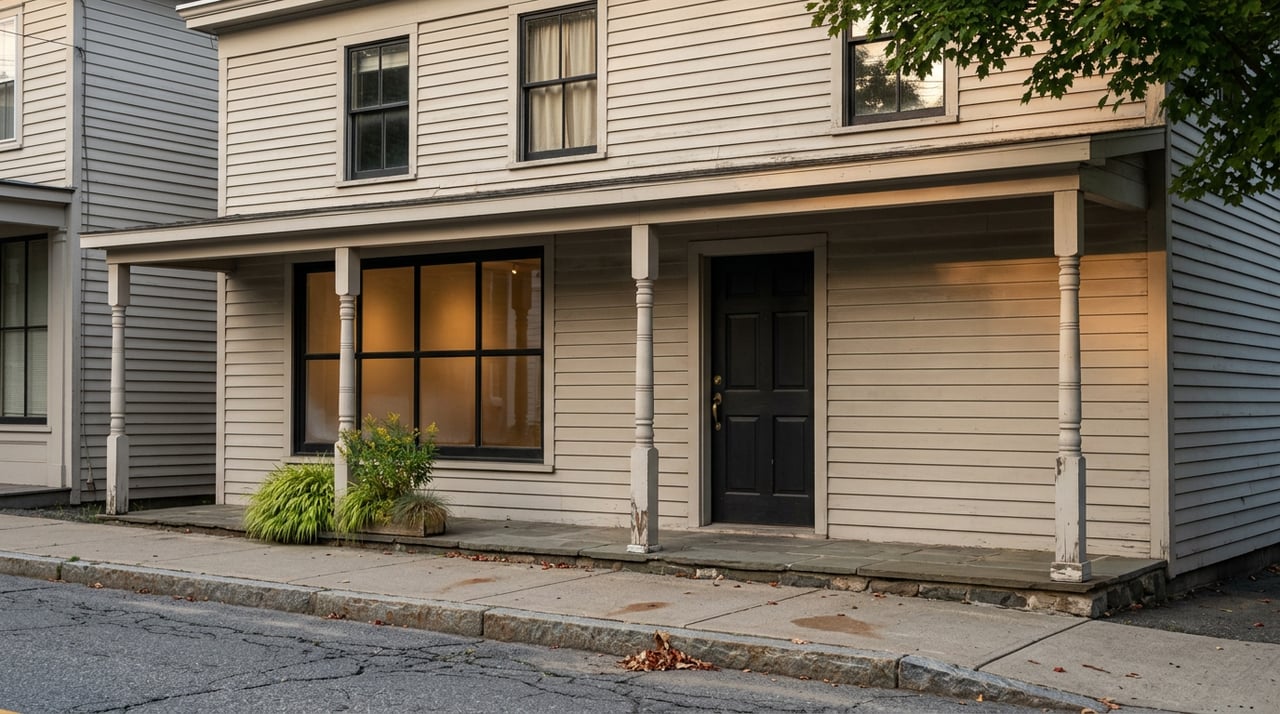
Thinking about selling a historic home in New Paltz or greater Ulster County? You are not just listing square footage and bedroom count. You are also presenting craftsmanship, documentation, condition, and in some cases a layer of preservation rules that can affect timing and buyer expectations. This guide will help you understand what matters most before you go to market, from local review and disclosures to staging, pricing, and the records that can strengthen your sale. Let’s dive in.
In New Paltz, “historic” can mean different things depending on how your property is recognized. Some homes are locally designated landmarks or sit within a local historic district, while others may be listed on the State or National Register.
That distinction matters. Local designation in New Paltz can trigger review requirements for certain exterior changes, while State or National Register listing alone does not automatically prevent you from remodeling, painting, subdividing, selling, or even demolishing a property, as long as no state or federal funding or permits are involved and local zoning is followed.
New Paltz has a strong preservation framework. The Village has a Historic Preservation Commission, the Town has its own commission, and Historic Huguenot Street remains a major preservation anchor in the area.
If your home is a designated landmark or located in a local historic district, you may need prior approval for exterior alterations or major landscape changes. Local materials specifically flag shed installations, permanent landscape changes, window changes, and exterior color changes as items that may require review.
Routine maintenance and like-for-like repairs are usually exempt. Interior-only work generally does not require Commission approval. Still, because a Certificate of Appropriateness may involve a public hearing, it is smart to account for extra lead time before listing or before promising any pre-sale improvements.
A common worry is that designation means you cannot make changes. In New Paltz, that is not the case. Alterations and new construction can still happen, but they are reviewed to protect the property’s historic integrity.
For sellers, the practical takeaway is simple: if you are considering exterior work before hitting the market, check with the appropriate local commission early. Waiting until photos are scheduled or a buyer is under contract can create avoidable delays.
When you sell a historic home, your paperwork can be almost as important as your photos. Buyers often feel more confident when the home’s story is backed by clear records, repair history, and prior approvals.
In New Paltz, you have unusually strong local research resources. The Elting Memorial Library’s Haviland-Heidgerd Historical Collection and the New Paltz Historic Documents Project can help verify ownership history, lot lines, early records, and architectural changes.
A strong pre-list file for a historic home often includes:
This kind of file helps buyers understand what they are purchasing. It can also reduce uncertainty during due diligence and support smoother negotiations.
Historic character alone does not always carry a sale. What often helps more is being able to explain the home clearly. If a buyer can see what has been preserved, what has been improved, and what may require future review, they are in a better position to move forward with confidence.
That is especially important for older farmhouses, Victorians, and period homes where additions, window replacements, roofing work, and site changes may have happened over time. Clear records make the property easier to evaluate.
With historic homes, visible maintenance usually matters more than overdoing cosmetic updates. Buyers tend to respond well to homes that feel cared for, clean, and honest.
That means your pre-list strategy should focus first on items that lower perceived risk. Deferred maintenance, unclear exterior changes, and aging systems can affect both pricing and buyer confidence.
Before listing, consider these priorities:
If the home is subject to local historic review, avoid assuming a quick exterior refresh is harmless. Even changes that seem minor, such as new windows or exterior color changes, may require approval.
Staging can help buyers connect with a historic property. According to the 2025 staging report cited in the research, 83% of buyers’ agents said staging made it easier for buyers to visualize a home, 29% of sellers’ agents reported a 1% to 10% increase in the dollar value offered, and 49% saw reduced time on market.
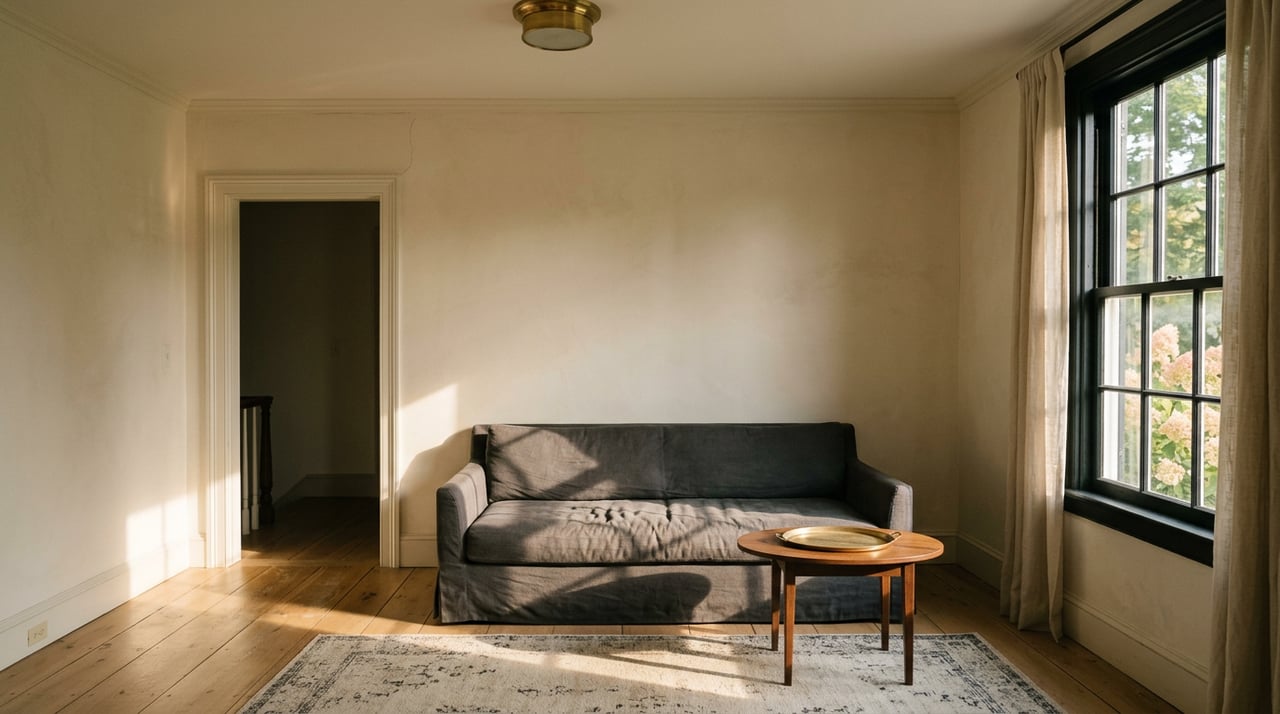
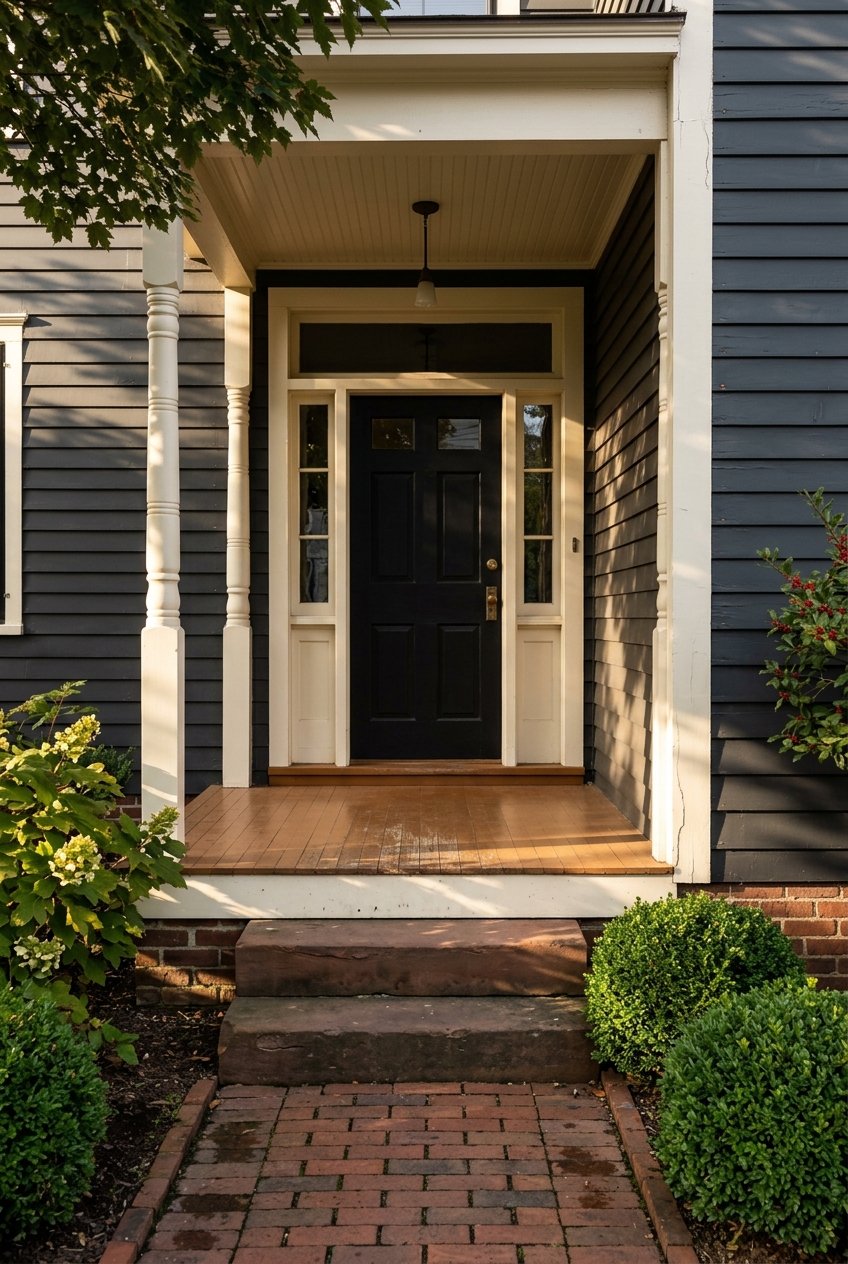
For a historic home, the goal is not to cover up age with trendy decor. The goal is to make original architecture easier to see. Clean sightlines, decluttered rooms, strong natural light, and carefully chosen furnishings can help details like woodwork, fireplaces, floors, and proportions stand out.
Older homes usually invite more buyer questions, and that is normal. The best approach is to prepare for them before your home hits the market.
In New York, the Property Condition Disclosure law requires sellers of most residential real property to complete and deliver the disclosure statement before a binding contract is signed. The law also allows parties to agree to sell the property as-is, but the disclosure form is not a substitute for inspections or public-record review.
The current New York disclosure form asks about several issues that can be especially relevant in historic or older properties, including:
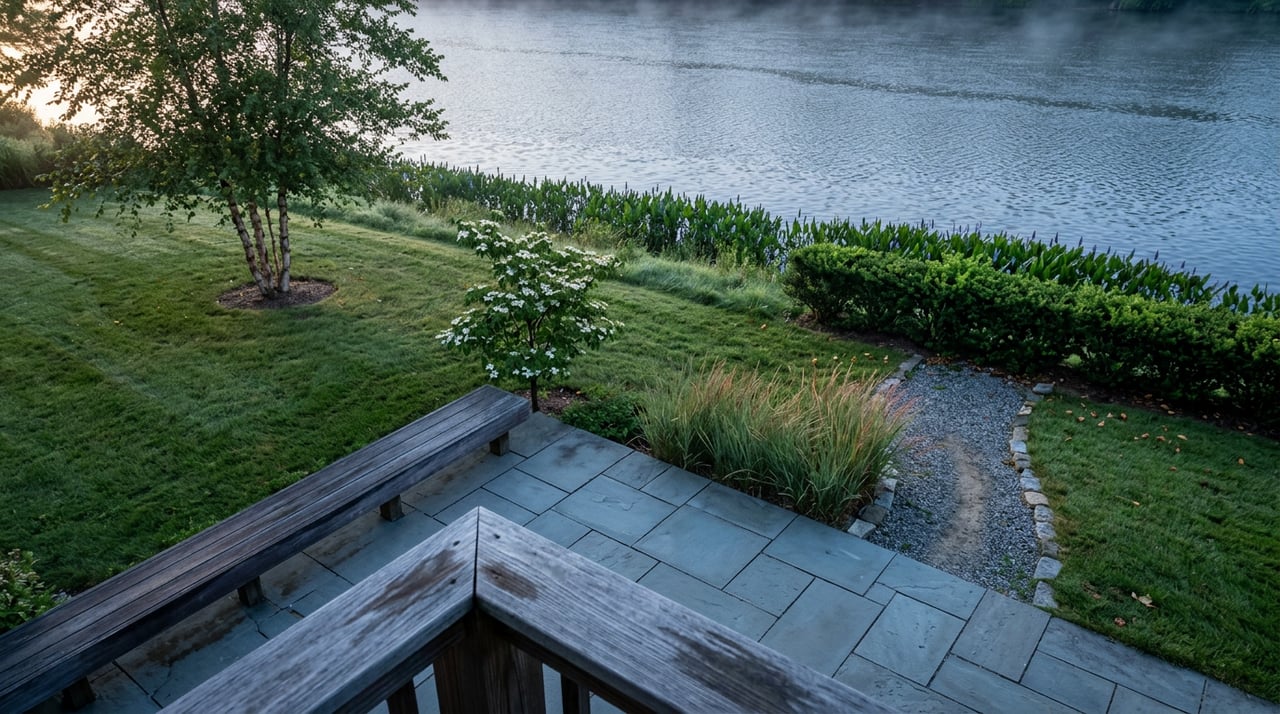
If your property is near a river, wetland, or low-lying area, gather those records early. Having them ready helps you answer buyer questions with clarity.
If your home was built before 1978, federal law requires disclosure of known lead-based paint and lead-based paint hazard information before sale. Sellers must provide any known records and reports, a lead pamphlet, a Lead Warning Statement, and a 10-day opportunity for a buyer to conduct a paint inspection or risk assessment.
If renovation or repair work has disturbed painted surfaces, it is also worth organizing any records tied to lead-safe work practices. Buyers often view this documentation as part of the home’s risk profile.
Historic homes often receive close scrutiny during inspections. Common inspection areas include the structure, roof, plumbing, electrical systems, heating and cooling, interiors, ventilation, insulation, and fireplaces. Buyers may also test for issues such as mold, radon, lead paint, and asbestos.
Some sellers choose a pre-list inspection so they can understand likely buyer concerns in advance. That can help you decide what to repair, what to disclose, and how to price the property with fewer surprises.
Pricing a historic home is rarely about age alone. In New Paltz and Ulster County, price is more closely tied to condition, the quality of preservation, system updates, deferred maintenance, and how much uncertainty the buyer is taking on.
Two homes with similar age and charm can perform very differently if one has clear records and recent repairs while the other has unanswered questions about approvals, systems, or flood history.
When buyers evaluate a historic home, they are often balancing:
That does not mean buyers shy away from historic properties. It means they want a clear picture of responsibility, cost, and process.
Historic-home buyers are often comfortable with stewardship and a longer due-diligence period. They may be drawn to original materials, historic setting, or adaptive potential, but they also want transparency.
Your buyer pool usually broadens when you can clearly show what has been repaired, what remains original, what was previously approved, and what future changes may require review. That level of detail supports confidence and can make your listing stand out.
A historic home sale can move smoothly, but it may not move exactly like a standard resale. Preservation review, documentation requests, and more detailed inspections can all add time.
That does not need to be a problem if you plan ahead. Sellers who gather records early, avoid last-minute exterior projects, and present the home clearly are often better positioned for a steadier transaction.
A practical timeline often includes:
This type of preparation helps reduce friction once buyers begin asking questions.
A historic home in New Paltz is more than an old house. It may offer craftsmanship, provenance, and a sense of place that newer homes cannot replicate. But to sell it well, you need more than charm. You need a strategy that respects the property’s history while addressing the practical concerns buyers bring to the table.
That is where local knowledge, careful documentation, and clear marketing can make a real difference. If you are preparing to sell a historic home in Ulster County, Berardi Realty can help you position the property thoughtfully, answer the questions that matter, and move forward with confidence.
Stay up to date on the latest real estate trends.