Sullivan County Lakefront Living: A Smart Buyer’s Guide
June 11, 2026
June 11, 2026
Dreaming about mornings by the water in Sullivan County? Lakefront living here can be rewarding, but it is not one-size-fits-all. If you are thinking about buying near White Lake, in a planned lake community, or on a quieter non-motorized lake, it helps to understand what you are really buying before you make an offer. This guide walks you through the key differences, costs, and questions that matter most so you can move forward with clarity. Let’s dive in.
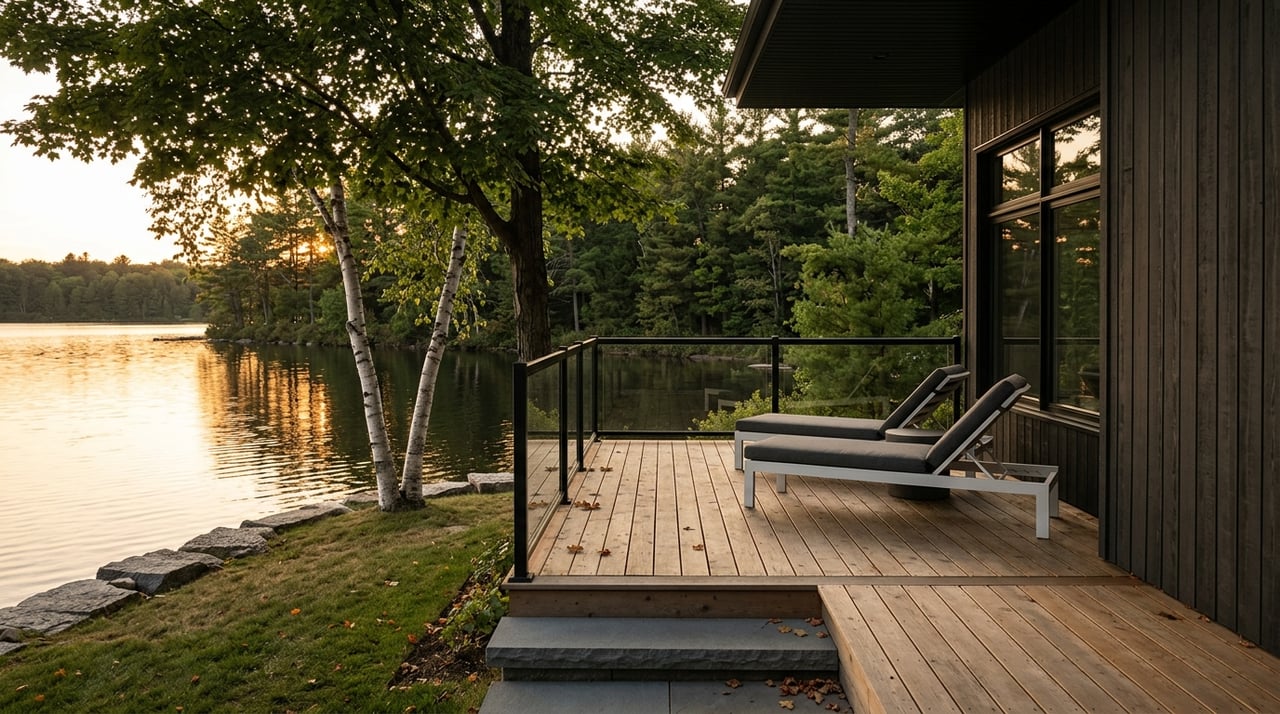
Lakefront living in Sullivan County can mean very different things from one property to the next. Some lakes support motor boating, some are non-motorized, and some homes are part of planned communities where water access is one feature in a larger amenity package.
In Bethel, for example, White Lake is known for motor boating and fishing, while Kauneonga Lake connects to White Lake. By contrast, Lake Superior State Park is centered on a non-motorized experience with row and paddle boats. That difference alone can shape how a property fits your lifestyle.
A lake home here may be a true waterfront property with private shoreline, a home with deeded or shared access, or a house in a larger lake community. In parts of Thompson, established communities include Lake Louise Marie, Emerald Green, Wolf Lake, and Wanaksink, with different lake rules, amenities, and ownership setups.
When you shop for lake homes in Sullivan County, you will likely see a few main categories:
Those differences matter because two homes with similar square footage can offer very different use, upkeep, and long-term value.
One of the biggest mistakes buyers make is assuming every lake offers the same experience. In Sullivan County, the lake itself often matters just as much as the house.
Some buyers want motor boating, fishing, and a more active waterfront setting. Others want a quieter atmosphere where paddling, swimming, and a lower-noise environment are the main draw. Before you focus on finishes or bedroom count, make sure the lake rules and recreation style match how you plan to use the property.
Community structure matters too. Some neighborhoods offer lake access for non-lakefront owners, while others revolve around private frontage or shared amenities. If access is shared, you will want to understand exactly what comes with the property and how that access is managed.
Ask these questions before you get too far into the process:
These answers can help you compare homes more accurately and avoid surprises later.
Sullivan County has a true four-season climate. Weather data for nearby Monticello shows average temperatures around 27°F in January and 73°F in July, with annual precipitation near 40.81 inches.
For you as a buyer, that means lake ownership usually comes with more maintenance planning than an inland home. Winterization, dock storage, freeze-thaw wear, and seasonal inspections all become part of the ownership picture.
If you are looking at a seasonal cottage that has been winterized for year-round use, it is worth paying close attention to how that conversion was handled. A house that works well in July may need very different systems and maintenance habits to perform well in January.
Lakefront and lake-access buyers should pay special attention to:
Owning near the water can be a great lifestyle move, but it works best when you budget for the added care that comes with it.
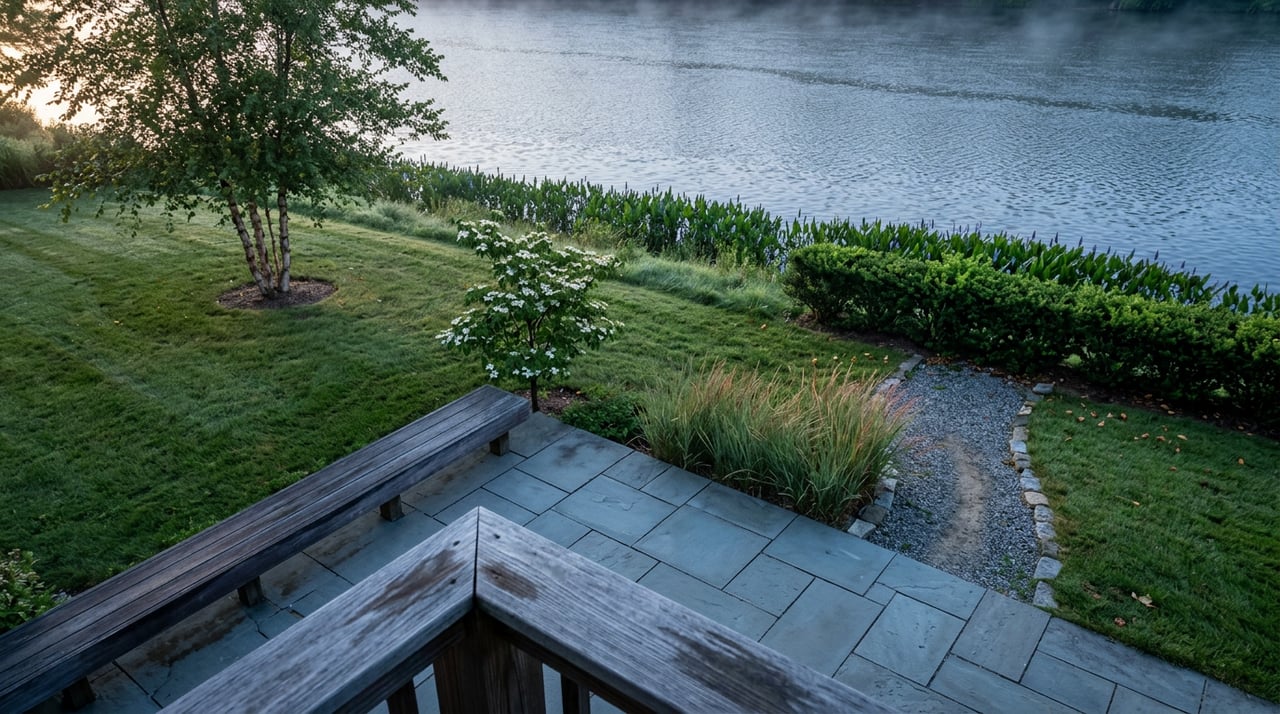
A beautiful shoreline is not just a visual feature. It can affect maintenance, future projects, and water quality around your property.
The New York State Department of Environmental Conservation notes that shoreline and riparian areas help regulate water quality and protect habitat. Development pressure can reduce natural shoreline, which is one reason buyers should look closely at how a lot is landscaped and stabilized.
If a property has at least 50 feet bordering a stream, river, or lake, DEC’s Buffer in a Bag program may provide free seedlings that can help stabilize banks and support water quality. While that may not be a deciding factor on its own, it shows how shoreline care is part of responsible ownership.
Septic should be on your radar early. The New York State Department of Health advises that septic systems should not be used when the surrounding soil is flooded, and roof or surface runoff should be directed away from the system. On a lake property, that makes wastewater setup and drainage especially important to review during due diligence.
With lake property, value is often tied to what you can actually do at the shoreline. A home may look perfect on paper, but if the dock setup, shoreline treatment, or future improvement plans are limited, that can change the value equation.
New York’s Lakes and Shorelines General Permit, effective August 1, 2025 through July 31, 2030, covers certain common shoreline projects. These include some erosion control work, new residential docks up to 400 square feet, maintenance dredging, and residential water intake work.
That does not mean every existing or future improvement is automatically allowed. If a property already has a dock, seawall, bulkhead, or other shoreline work, you should verify what is permitted and whether future changes may require DEC review.
Dock rights can have a real pricing impact. A peer-reviewed waterfront valuation study found that the ability to build and use a dock produced an almost 45 percent premium compared with similar undockable properties.
That helps explain why lake buyers in Sullivan County often focus on more than interior finishes. Shoreline shape, frontage, water access, and practical dock use can all matter as much as the house itself.
Water quality is not just an environmental issue. It can shape how enjoyable a property feels and how buyers view its value.
Research cited in the report found that clearer lake water is reflected in pricing, with a 0.1-meter increase in Secchi depth associated with about a $3,681 premium for an average lakefront home within 100 meters. While that figure is not specific to one Sullivan County lake, it highlights how strongly buyers respond to water conditions.
You should also be aware of harmful algal blooms, which the DEC says can occur in freshwater lakes, especially in warm and calm conditions. The state now uses NYHABS for reporting, and that is one more reason to ask informed questions about recent lake conditions when evaluating a property.
Boating habits matter as well. DEC urges boaters to Clean, Drain, Dry gear to help reduce the spread of aquatic invasive species between waterbodies. If you plan to use boats or water equipment, that is part of responsible lake ownership.
Lake homes can have more utility variation than buyers expect. A property may be served by public infrastructure, a district system, or private systems depending on the parcel and community.
Sullivan County maps water and sewer special districts on tax maps, and some lake communities in Thompson have their own sewer districts or utility systems. That means it is important to confirm service on a property-by-property basis rather than assume one setup applies across an entire neighborhood.
Assessment is another layer to consider. Sullivan County’s GIS bathymetry layer maps lakes, ponds, rivers, reservoirs, and streams on county tax maps used for taxation and assessment, and New York assessment rules state that property is assessed at market value or the same percentage of market value each year.
For you, the practical takeaway is simple: lake access, shoreline usability, and waterbody context can influence not only sale price, but also how a property is viewed for assessment purposes.
Lakefront inventory remains limited compared with the broader county market. In April 2026, Redfin reported 927 homes for sale in Sullivan County with a median sale price of $321,602. Zillow reported an average home value of $314,926 and noted homes were going pending in around 97 days.
At the same time, Zillow’s dedicated waterfront page showed 197 waterfront homes for sale in Sullivan County. That smaller inventory helps explain why true waterfront homes often compete on features that have little to do with bedroom count alone.
In Sullivan County, lake pricing is often shaped by:
This is why two homes with similar size and finish level can carry very different price tags if one has better frontage, easier dock access, or fewer ownership complications.
When you buy near the water, your due diligence needs to go beyond the usual checklist. You are not just evaluating a house. You are evaluating a shoreline, a set of usage rights, a utility setup, and a maintenance commitment.
A strong buying approach starts by narrowing the kind of lake experience you want. From there, compare homes based on access type, permitted improvements, utility service, and four-season upkeep needs.
For many buyers, the best lake purchase is not the one with the biggest house. It is the one where the lifestyle, the legal setup, and the long-term maintenance picture all line up.
If you are exploring lakefront or lake-access homes in Sullivan County, working with a brokerage that understands both the lifestyle side and the transaction details can make a meaningful difference. When you are ready to talk through your goals, connect with Berardi Realty for personalized guidance.
Stay up to date on the latest real estate trends.