Can Sullivan County Catskills Homes Work Year-Round?
April 2, 2026
April 2, 2026
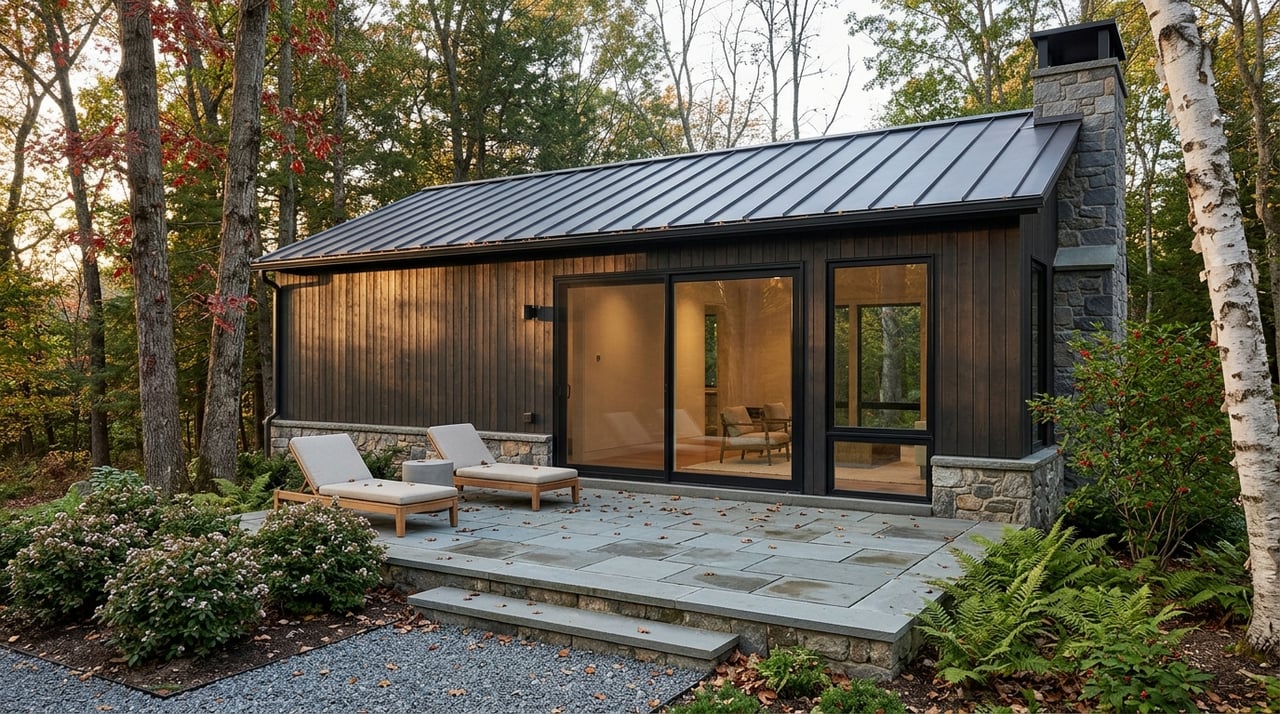
Dreaming about turning your Sullivan County getaway into the place you call home every day? You are not alone. Many buyers start with a weekend cabin, lake-area house, or tucked-away retreat, then begin to wonder if that same property could support work, winter, and daily life all year long. The good news is that Sullivan County is more than a quick escape. It is a four-season Catskills market with the setting, lifestyle, and growing infrastructure that can make full-time living realistic. Let’s dive in.
Sullivan County has long been known as a place to recharge, but the bigger story is that it supports life in every season. According to the Sullivan Catskills tourism association, the region welcomes more than 4 million visitors each year for outdoor recreation, arts, culture, and events across the county’s towns and hamlets. That steady, year-round draw reflects a broader reality: this is not just a summer market.
You can see that four-season appeal in the county’s parks and public spaces. Lake Superior State Park offers a seasonal beach in warmer months, then shifts into winter activities like sledding, snowshoeing, and cross-country skiing. The D&H Canal Linear Park is open year-round and supports hiking, biking, and winter recreation, which helps show how daily life here can stay active even when the weather changes.
Local tourism materials also highlight active main streets and markets in places like Narrowsburg, Callicoon, Jeffersonville, Monticello, Livingston Manor, Roscoe, Wurtsboro, and Liberty. The county’s seasonal guides and brochures lean into winter quiet, spring travel, and fall festivals, not just peak summer weekends. For you as a buyer, that matters. It means Sullivan County can offer both breathing room and a real year-round rhythm.
Not every charming cabin or seasonal house is ready for full-time occupancy as-is. Sullivan County makes an important distinction between a seasonal temporary residence and a home that can be occupied throughout the year. According to county guidance, seasonal units may not be habitable year-round because they can lack insulation or underground piping, while second homes and many weekend residences can be occupied year-round if they are properly winterized.
That distinction is one of the first things to understand before you buy. A house may look perfect in July and still need meaningful upgrades before it works well in January. If your long-term goal is to live there full time, you want to look beyond style and square footage and focus on whether the property is built, permitted, and maintained for four-season use.
In practical terms, a year-round property usually needs:
The key is not whether a home started as a weekend place. The key is whether it can function comfortably and safely through every season.
One of Sullivan County’s biggest strengths is variety. Instead of one dominant housing type, the area offers a mix of settings that can fit different lifestyles and priorities. County and tourism materials point to lake-adjacent, river-adjacent, wooded, village-center, and historic hamlet environments throughout the region.
If you want a more tucked-away feel, you may be drawn to wooded properties or homes near recreation areas like Lake Superior in Bethel or the canal corridor in Mamakating. If you prefer easier access to shops, dining, or community events, village-centered areas such as Callicoon, Livingston Manor, Narrowsburg, Liberty, or Jeffersonville may feel more practical for everyday living. Some buyers want a balance of both: privacy at home with a nearby main street for errands and weekends.
This is where local guidance matters. A pretty setting can tell part of the story, but daily convenience, road access, and property condition often decide whether a home feels like a vacation spot or a long-term fit.
If you are trying to budget for a move from part-time to full-time living, it helps to think in ranges rather than a single headline number. Market snapshots for Sullivan County vary depending on source and methodology. The research points to median and average pricing that generally places much of the single-family market in the low-to-mid $300,000s, while some countywide reports show higher median sale figures as well.
The takeaway is simple: Sullivan County offers a broad range of opportunities. You may find smaller cabins that need upgrades, move-in-ready full-time homes, and higher-end properties with more land or water access. If you are comparing options, it is smart to weigh purchase price against the likely cost of winterization, repairs, and monthly carrying expenses.
If you are converting a former weekend home into a primary residence, cosmetic updates should not come first. County housing resources emphasize issues such as code compliance, structural concerns, accessibility, insulation, energy efficiency, and heating assistance. Those priorities line up closely with what full-time buyers should evaluate before closing.
Start with the essentials that affect comfort, safety, and operating cost. A fresh kitchen may be nice, but it should come after the systems that determine whether you can live in the home through a cold winter or wet spring.
When a home has been used only part of the year, winter performance becomes one of the biggest unknowns. Ask whether the pipes are protected, whether the heating system is sized and maintained for full-time use, and whether insulation is adequate in walls, crawl spaces, and attics.
County guidance makes clear that many second homes can be occupied year-round if properly winterized. That makes winterization less of a cosmetic project and more of a threshold issue.
Sullivan County’s hazard planning and flood-related history make drainage especially important. The county’s hazard mitigation planning focuses on reducing disaster vulnerability, and places like Callicoon Riverside Park were acquired after repeated flooding. You do not need to avoid every water-adjacent property, but you do need to understand site drainage, runoff patterns, basement moisture, and any signs of foundation or water intrusion.
A beautiful setting near a river, stream, or low-lying area should come with extra due diligence. That is part of buying smart, not buying scared.
A full-time home has to work on an ordinary Tuesday, not just a sunny holiday weekend. Roof condition, driveway slope, plowing access, and utility reliability all matter more when you live in the property every day.
The county also notes that weather can change quickly and that road delays or closures can occur, which is another reason to think carefully about access and maintenance expectations. A home that feels secluded in a good way during summer can feel far more complicated during a snow event if the road approach is difficult.
For many buyers, full-time living only works if internet service works too. That is especially true if you work remotely, run a business, stream daily services, or simply need stable communication year-round.
Sullivan County says its ConnectALL broadband project is intended to extend service to more than 22,000 homes and businesses through 253 miles of fiber and the county’s existing towers. That is an important step for long-term livability, but when you are evaluating a specific property, you should still confirm actual service availability and speed at that address.
Never assume that a home with great views also has great connectivity. In some cases, internet service can be just as important as the number of bedrooms.
One of the easiest mistakes buyers make is assuming that a weekend property can be used exactly the same way after closing. In reality, occupancy and code questions are often handled locally. Sullivan County notes that local code enforcement offices manage building-code enforcement, and it also says second homes and many weekend residences can be occupied year-round if properly winterized.
That means you should verify how a property is classified, what upgrades may be needed, and whether any permits or inspections are required before treating it as a full-time home. If you are planning improvements, it is wise to confirm expectations early rather than after you move in.
Some buyers want a property that works as a primary home most of the year but still gives them the option to rent it occasionally. If that sounds like your plan, you need to understand Sullivan County’s room-tax rules.
According to the county’s room tax FAQ, rentals of 90 consecutive days or less are subject to a 5% room tax. Operators must register and obtain a certificate of authority. The county also notes that platforms such as Airbnb or Vrbo/HomeAway may collect tax on the host’s behalf, but the owner still files returns. Rentals longer than 90 days to the same occupant are not subject to room tax, though a return is still required.
If occasional renting is part of your ownership strategy, it is best to confirm local rules before you market the home. Short-term use, year-round occupancy, and code compliance are related, but they are not the same thing.
If you are serious about making the jump from weekend home to primary residence, keep your evaluation grounded in how the property performs, not just how it photographs.
Use this checklist as a starting point:
A thoughtful purchase can give you both the lifestyle you want and the practical reliability you need.
Sullivan County does not have to be framed as a compromise between escape and everyday life. The better way to see it is as a four-season Catskills market where setting, infrastructure, property condition, and local rules shape how well a home works full time. If you buy with clear expectations, a former weekend place can become a comfortable primary home that supports the way you actually live.
That is where experienced guidance makes a difference. Whether you are comparing village-centered homes, wooded retreats, or properties that may need strategic upgrades, Berardi Realty can help you evaluate the opportunity with both lifestyle goals and practical details in mind.
Stay up to date on the latest real estate trends.