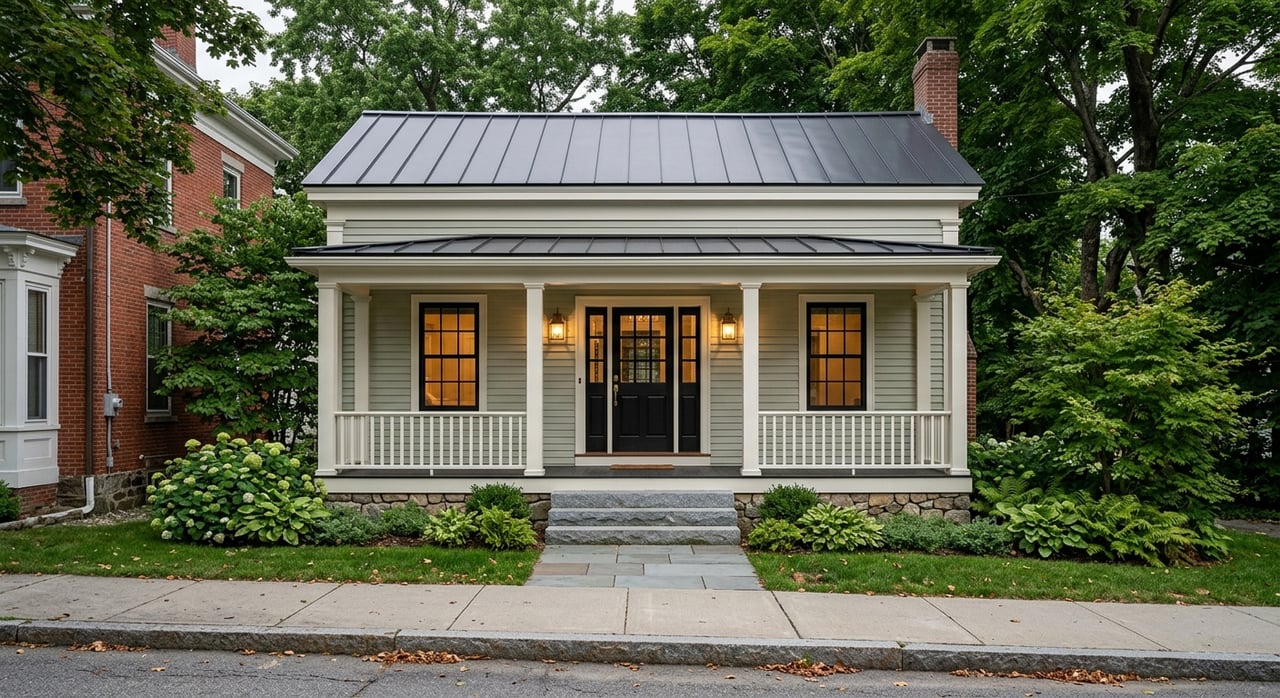
Living in Greene NY 13778: A Guide to Village Life
April 16, 2026
April 16, 2026
If you are looking for a quieter pace without giving up everyday convenience, Greene, NY deserves a closer look. This Chenango County village offers a historic town center, established housing, local recreation, and practical access to larger regional hubs. Whether you are thinking about buying a home, relocating, or simply comparing small towns in Upstate New York, this guide will help you understand what living in Greene is really like. Let’s dive in.
Greene is a village in Chenango County, positioned along the Route 12 and 206 corridor. It sits about 20 miles north of Binghamton and about 20 miles south of Norwich, which makes it a small-town option with useful regional access. For buyers who want a village setting but still need to reach nearby employment, shopping, or services, that location is an important part of the appeal.
According to Chenango County planning materials, the village has 1,567 residents within about 1.1 square miles. That compact footprint helps explain why Greene often feels close-knit and easy to navigate. You are not looking at a sprawling suburb here. You are looking at an established village with a defined center and a strong local identity.
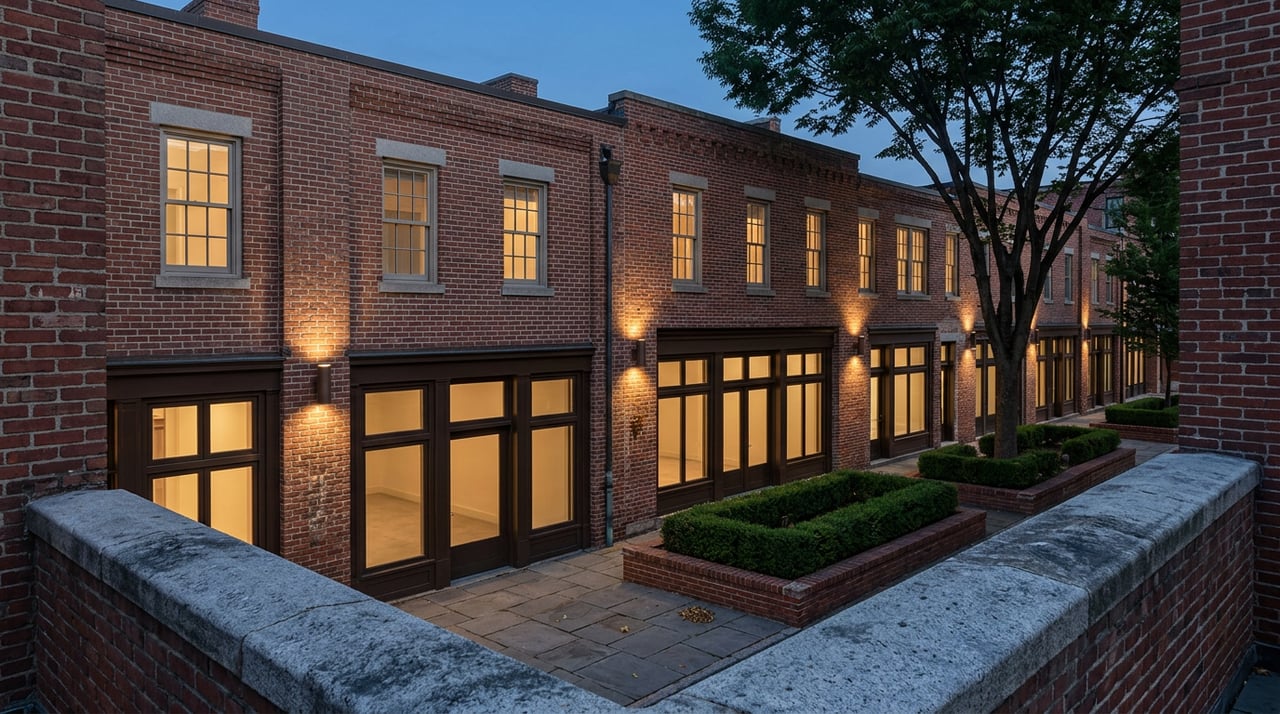
One of Greene’s standout features is its historic core. Genesee Street serves as the center of town, and the village offices are housed in a building dating to 1886 right in the middle of that corridor. The village planning documents also note an unusual local feature: parking in the center of Genesee Street.
Greene also has a meaningful historic backdrop. The Greene Historic District includes more than 100 properties across residential and commercial areas, with significance centered around Chenango, Genesee, and Jackson Streets. The district includes Federal and Colonial Revival architecture and reflects development patterns stretching from 1800 to 1949.
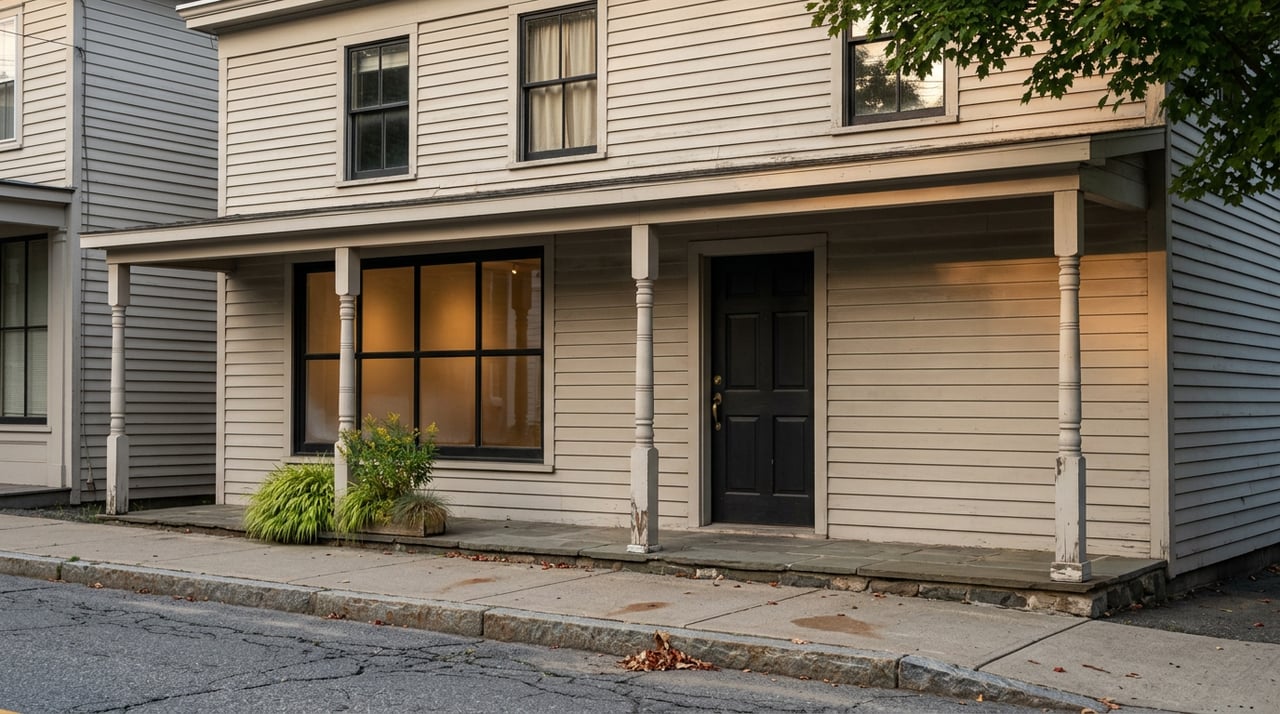
That history shapes the feel of daily life in the village. If you are drawn to places with older homes, established streetscapes, and a visible sense of continuity, Greene offers a setting that feels rooted rather than recently built out.
Greene is not a fast-growth, new-construction market. Based on Census Reporter data and county planning information, the village has roughly 828 housing units, and recent residential permitting has been limited. The hazard mitigation plan reported zero single-family and multi-family permits from 2016 through 2020, with no major residential development identified for the following five years.
For you as a buyer, that likely means the housing supply is shaped more by resale opportunities than by new subdivisions. Much of the stock appears to be an established mix of older village homes in the core and mid-century housing in areas such as Highland Park and Sunset Heights. In practical terms, Greene may appeal to buyers who value character, mature neighborhoods, and existing homes over large-scale new-build inventory.
The same Census Reporter profile lists a median owner-occupied home value of $154,100 and a median household income of $57,386. Those figures help frame Greene as a market that may interest first-time buyers, move-up buyers seeking value, or households looking for a small-town setting with a more established price structure.
Living in Greene means living in a village with practical local infrastructure. The village offers municipally owned electric, water, wastewater treatment, police, and fire protection, according to Chenango County planning documents. That matters because it speaks to the level of local organization and service built into daily life.
For many buyers, the appeal of a small town depends on more than charm alone. You also want to know whether the place functions well on an everyday level. Greene’s municipal services are part of what makes it feel like a true working village, not just a scenic stop along the road.
Greene offers a stronger recreation network than some buyers might expect from a village of its size. The village and town jointly manage Ball Flats along the Chenango River, Lion’s Park on Washington Street, and programs through the Joint Recreation Commission. Village facilities include ball fields, playground space, a pavilion, an indoor pool, and youth sports, according to the Town and Village of Greene parks and recreation page.
For outdoor access, local options include canoeing and fishing at Cook Park, the Chenango River, Long Pond, and Round Pond. Beyond the village itself, Chenango County’s tourism resources add another layer of recreation, including about 80,000 acres of state land, the Finger Lakes Trail, the Brookfield Trail System, Bowman Lake State Park, Whaupaunaucau State Forest, and the Rogers Environmental Education Center.
That mix can be attractive if you want everyday local amenities plus broader access to hiking, paddling, skiing, snowmobiling, or time on the water. Greene may not feel remote, but it still gives you a strong connection to the outdoors.
For buyers considering school-age children, the Greene Central School District is an important piece of the local picture. The district was organized in 1949, spans about 130 square miles, and extends into nine townships. According to the district’s official overview, it serves roughly 970 students through a K-2, 3-5, 6-8, and 9-12 structure.
The district also notes that graduates average about 85 students per year, with about 84% continuing to college. It highlights up to 33 college-credit hours at the high school, career and technical education through BOCES, and extracurricular offerings that include athletics, music, and drama.
If schools are part of your home search, this kind of information can help you understand the scale and structure of the district. It points to a system that serves a broad geographic area while offering academic and extracurricular pathways for students.
Greene is best understood as car-oriented, but not isolated. Local driving directions show access north to Binghamton via NY-12, eastward connections from Albany via I-88 and Route 206, and routes from Syracuse via NY-12B and NY-12. That gives residents several regional road links depending on where work, shopping, or travel takes them.
Census Reporter lists a mean commute time of 22.7 minutes, which suggests that many residents are balancing village life with nearby work or services. Public transportation is also part of the picture. The Chenango County Transit information referenced by the Town of Greene notes that Route 2 serves Greene, Oxford, Brisben, the Smithville Community Center, and Walmart, with a $3 fare, a $40 monthly pass, ADA-equipped buses, and optional route deviations within three-quarters of a mile.
For you, that means Greene can fit several lifestyles. It may work well for households commuting regionally, remote or hybrid workers who want a quieter home base, or buyers who value road access without wanting to live in a more built-up setting.
Greene is likely to appeal to buyers who want an established village atmosphere, practical local services, and a housing market shaped more by existing homes than by rapid development. If you enjoy historic character, recognizable Main Street identity, and access to local parks and regional outdoor recreation, Greene checks many of those boxes.
It may also be a strong fit if you want a location between larger hubs rather than inside one. Being roughly equidistant from Binghamton and Norwich gives Greene a balanced position for people who value both quiet and convenience.
At the same time, your experience here will depend on your priorities. If you want dense urban amenities, large-scale new construction, or highly walkable access to a wide range of retail, Greene may feel more limited. But if you want small-town life with local infrastructure, historic context, and a realistic regional commute pattern, it offers a compelling option.
Before you buy in Greene, it helps to focus on a few practical questions:
These questions can help you move beyond the general idea of “small-town living” and decide whether Greene fits the way you actually want to live.
If you are exploring villages and small-town markets and want practical guidance on what fits your goals, Berardi Realty can help you evaluate your options with a clear, informed approach.
Stay up to date on the latest real estate trends.