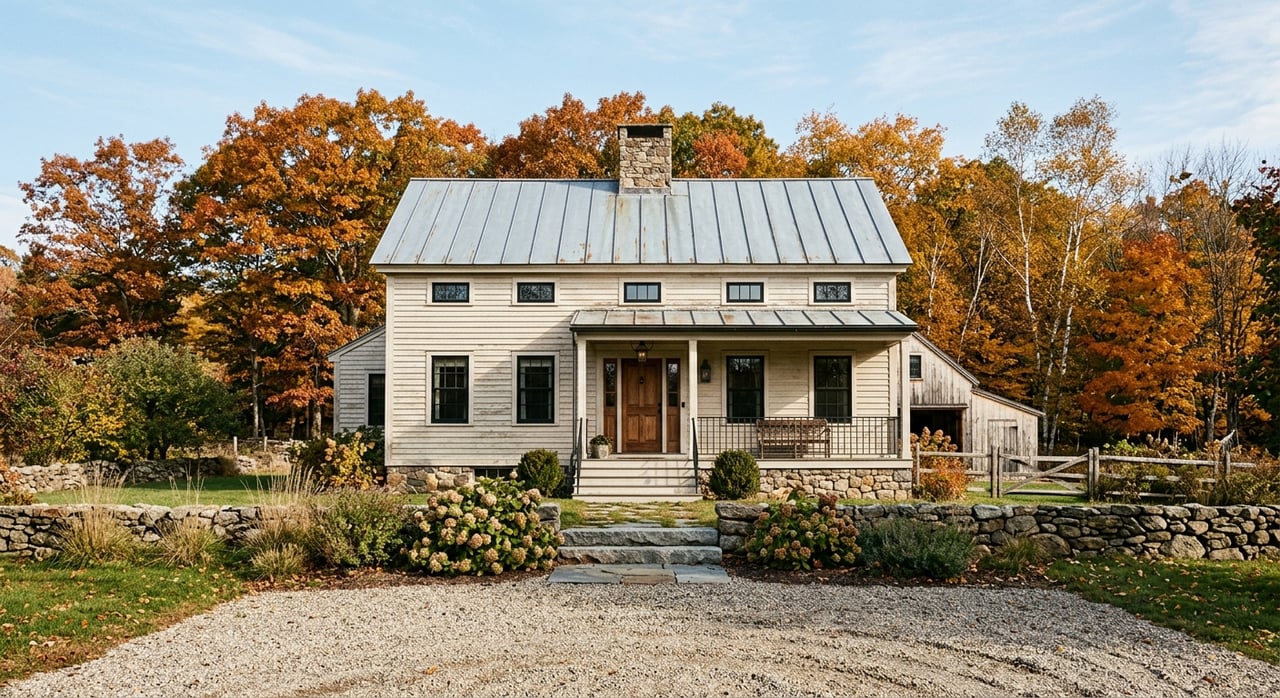
What to Know About Columbia County Farmhouses for Sale
May 21, 2026
May 21, 2026
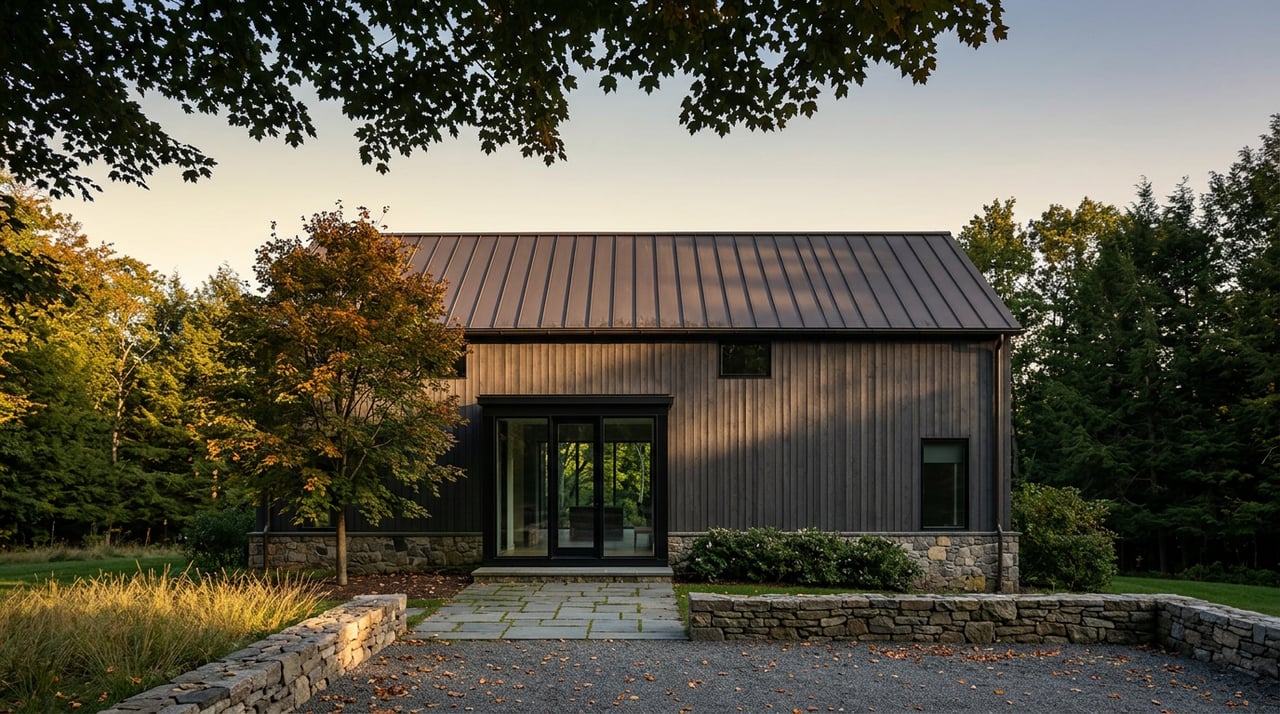
Dreaming about a Columbia County farmhouse with acreage? It is easy to picture the porch, the barn, and the open land, but these properties often come with more moving parts than a typical house in town. If you are thinking about buying in or around Chatham, understanding how older homes, private systems, and land rules work can help you make a smarter decision. Let’s dive in.
Columbia County has a strong rural ownership pattern, with a 76.3% owner-occupied housing unit rate in 2020 to 2024. County messaging also highlights the area’s setting near the Catskills and Berkshires and its long connection to family farms. For you as a buyer, that often means a market shaped by owner-users who value land, privacy, and long-term use.
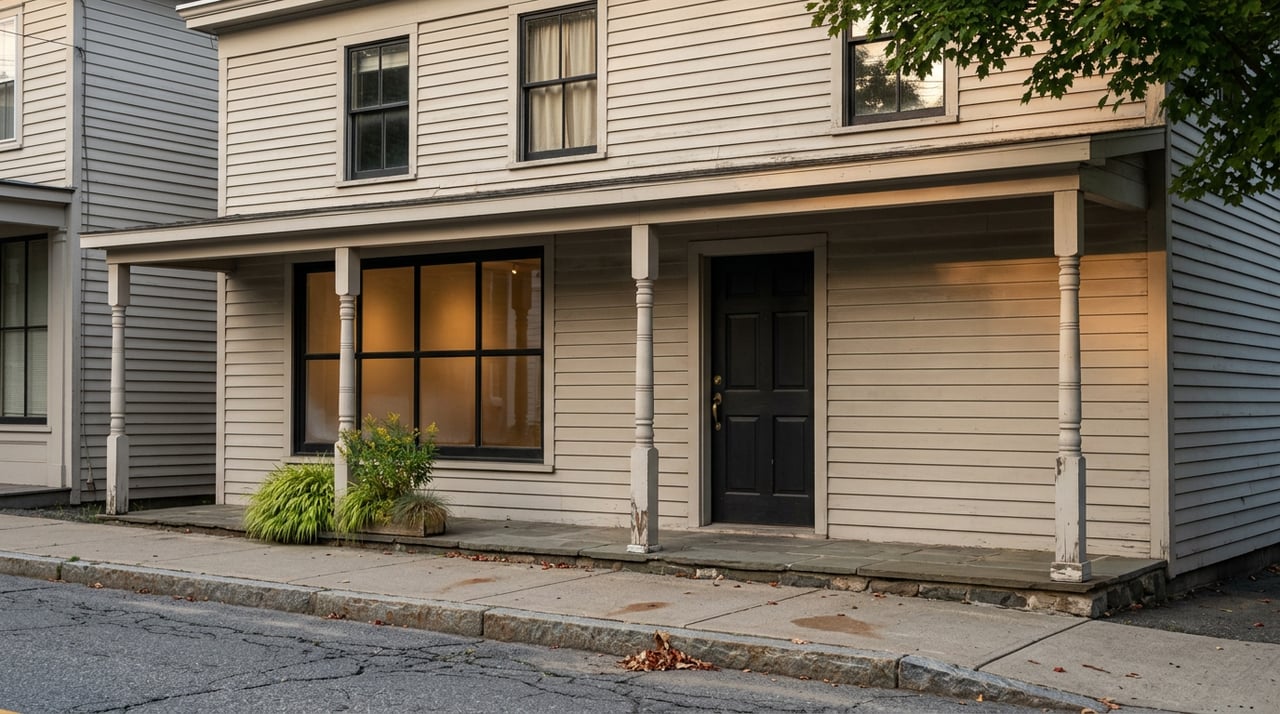
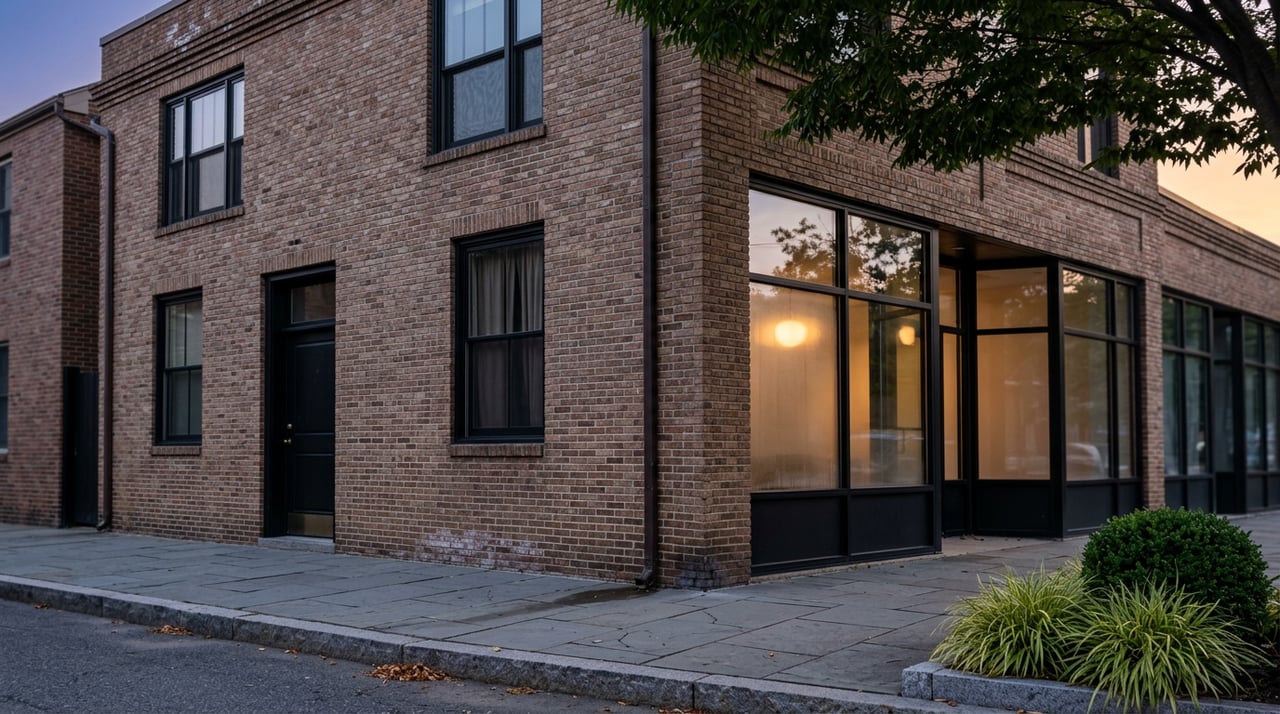
Many local farmhouses are not pristine time capsules. They are layered properties that have changed over time, often with additions, updates, and outbuildings that reflect decades of use. In Spencertown, for example, National Register documentation notes the influence of Greek Revival design during the 1830s growth period, while the Bigelow-Finch-Fowler Farm includes a brick dwelling from around 1830, later Italianate updates, multiple farm structures, and roughly 17 acres of tillable land and woodlot.
Some homes are even older and rarer. New York State has described the Muldor-Miller House as a farmhouse built around 1790 with federal and Greek Revival features and unusual stone construction. That variety is part of the appeal, but it is also why careful due diligence matters before you fall in love with the finish details.
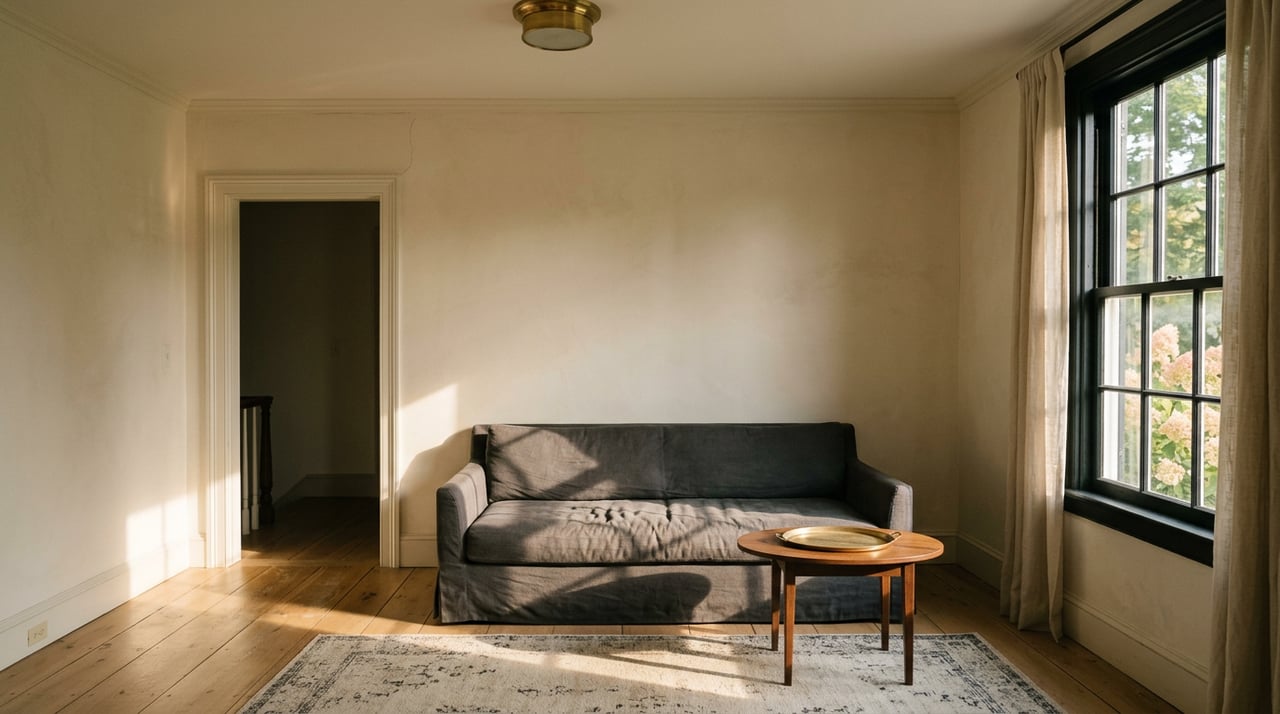
When you tour an older farmhouse, the visual charm can be hard to resist. Wide floors, original trim, and old barns tell a story, but the most important questions usually sit behind the walls, under the ground, or in the water system. In many Columbia County farmhouse purchases, practical due diligence matters more than fresh paint or staged rooms.
If the home was built before 1978, lead paint should be on your radar. According to the EPA, 87% of homes built before 1940 and 24% of homes built from 1960 to 1978 contain some lead-based paint. The biggest concerns are deteriorating paint, dust, and surfaces that have been disturbed.
That does not mean an older farmhouse is off limits. It means you should understand where risks may exist and make sure your inspection process matches the age of the home. If walls, windows, porches, or trim show wear, that is worth a closer look.
A country setting does not remove radon risk. The New York State Department of Health says radon can enter through cracks in foundations, walls, and joints, and it recommends testing every home every five years, retesting after remodeling or weatherizing, and testing a newly purchased home.
For a farmhouse buyer, radon testing is a straightforward step that can provide useful information early. If the house has a basement, crawl space, or older foundation, it is especially important to include this in your due diligence plan.
Many rural properties rely on private wells, which are the homeowner’s responsibility. NYSDOH recommends annual bacteria testing and testing every three to five years for other contaminants. Its guidance also stresses that owners should maintain the well, keep records, and understand the system’s components.
As a buyer, ask for test results, maintenance records, and a clear explanation of how the system works. A private well is not unusual in this market, but you should know what you are taking on before closing.
Septic systems are another common part of country living. NYSDOH says septic tanks should typically be pumped every two to three years. If a property has been used seasonally, heavily, or inconsistently maintained, you will want as much documentation as possible.
Ask about the age of the system, service history, and any known repairs. For year-round use, wastewater capacity and condition can affect both comfort and future planning.
A 20-acre listing and a 20-acre usable property are not always the same thing. In Columbia County, wetlands, floodplain conditions, and easements can affect where you can build, add, grade, drive, or place septic improvements. That is why the usable part of the land often matters more than the number on the listing sheet.
The Columbia County Soil & Water Conservation District provides GIS maps that include parcel boundaries, aerial imagery, soils, regulated wetlands, and other natural-resource information. It also keeps historical aerial photos from the 1940s and 1950s, which can be helpful when you want to understand how a property has changed over time.
New York’s freshwater wetlands rules are especially important if you are buying acreage with future plans in mind. The DEC says that as of January 1, 2025, wetlands of 12.4 acres or more are regulated, and the threshold drops to 7.4 acres in 2028. There is also a regulated 100-foot adjacent area.
Permits can be required for buildings, roadways, septic systems, fill, excavation, and grading. Normal agricultural practices are exempt, but filling, clear-cutting, and non-agricultural structures are not. If you are picturing a guest barn, long driveway, or expansion project, this is one of the first filters to check.
Flood risk is another land-use issue that can change your options. The DEC says development in a special flood hazard area requires a local floodplain development permit. Local floodplain rules also tie into the National Flood Insurance Program, and in some cases lending and insurance can be affected where community participation is limited.
For you, that means floodplain review is not just a future building issue. It can also affect financing, insurance, and how flexible the property will be over time.
Before you assume the land matches the seller’s description, verify the public record. Columbia County’s real property tax office maintains parcel records, tax maps, GIS with aerial imagery, and assessor records. The county treasurer’s database also provides public paid and unpaid tax information for most parcels.
This is useful for checking parcel boundaries, tax status, and whether the records line up with what you have been told. On a farmhouse or land purchase, that extra layer of review can save you from surprises later.
If you are buying land that may stay in agricultural use, it is smart to understand how New York handles agricultural districts and assessments. New York agricultural districts are meant to protect and promote farmland, and they also provide Right to Farm protections from private nuisance suits for land in districts and parcels receiving agricultural assessments outside districts.
To receive an agricultural assessment, owners must file with the assessor. The general eligibility rule is 7 or more acres and $10,000 or more in average annual gross sales over the previous two years. Columbia County’s designated open enrollment period is October 1 to October 31, and the county planning department in Hudson is the local contact.
Agricultural assessment values are based on soil productivity groups, so the quality of the land can affect tax treatment. If land receiving agricultural assessment is later converted to non-agricultural use, New York can impose a conversion payment equal to five times the taxes saved, plus interest. If your long-term plan includes changing how the land is used, that is something to weigh before you buy.
Conservation easements are another major issue for Columbia County land buyers. Columbia Land Conservancy describes these easements as legal agreements that permanently protect land while the owner keeps title. They often allow farming and some home construction, but they can restrict other types of development.
CLC says it has conserved nearly 40,000 acres in Columbia County, which shows how relevant this issue is locally. For a buyer, an easement does not necessarily make a property less appealing, but it can change resale flexibility, development options, and how you think about the property’s long-term use.
CLC also notes that New York’s Conservation Easement Tax Credit can equal 25% of school, county, and town property taxes up to $5,000. That matters more for ownership planning than initial house hunting, but it is still worth understanding if you are comparing land-heavy properties.
If you are considering a farmhouse and land in Chatham or elsewhere in Columbia County, a few questions can quickly sharpen your search:
These are not minor details. They are often the difference between buying a property that fits your plans and buying one that creates costly limits after closing.
Farmhouse and land purchases are rarely one-size-fits-all. You may be weighing a historic home with outbuildings, a smaller house with expansion potential, or a larger parcel where only part of the land is practical for your intended use. Each scenario calls for careful review of records, systems, and land constraints.
That is where clear, local guidance can make the process feel less overwhelming. When you work with a brokerage that understands both the lifestyle side of country property and the diligence side of complex real estate, you are better positioned to move forward with confidence.
If you are exploring Columbia County farmhouses or acreage near Chatham, Berardi Realty can help you evaluate the details that matter and navigate your next move with clarity.
Stay up to date on the latest real estate trends.